Best Child Blood Specialist in Rangpur - Book Appointment
Finding a Child Blood Specialist in Rangpur
When a paediatrician says your child's blood reports need a specialist's eye — paleness that does not lift, fevers that keep returning, bruises with no clear cause, or growth that seems to have paused — the search usually starts from home and ends in Rangpur town. As the divisional hub of the north, Rangpur draws families from across the surrounding districts, and the trip itself becomes part of the plan. A child blood specialist is a doctor with hematology experience who reads a child's blood reports against the child's age, because the same numbers mean different things at three and at thirteen.
Start with doctors in Rangpur to see the range of specialties available in town, then narrow to the best blood specialist in Rangpur and shortlist chambers that sit within practical reach of the bus terminal or the town's main roads — so the appointment, the sample collection, and the return journey fit into as few days as possible.
Why Families From Across the North Come to Rangpur
Families travel in from Kurigram, Lalmonirhat, Gaibandha, Thakurgaon, and Dinajpur when a local doctor advises that a child's blood condition needs a second opinion. The concerns that trigger such a journey are familiar: anaemia that does not respond, repeated infections, glands or a spleen felt on examination, bleeding gums, or a family history of inherited blood disorders. A district-level clinic can begin the workup, but the confirming opinion often sits in the divisional city.
A referral is not a verdict; it is a sharper question. Ask the referring doctor exactly what the specialist is meant to settle, and whether the reports you already carry are enough or fresh samples will be taken on the day. Walking in with that clarity matters even more when the family has travelled several hours to be there.
Symptoms Worth Discussing With the Doctor
Note a child who looks pale even after rest, tires quickly at play, suffers frequent nosebleeds, marks easily with dark bruises, or runs fevers that return in cycles. Write down when each began and whether relatives on either side have faced similar trouble. That plain handwritten record often guides the specialist better than the newest lab slip by itself.
Planning a Long Winter Journey With a Sick Child
Northern distances are honest distances — a family from a far upazila can spend half a day on the road before Rangpur town even appears. In the cold months, that journey needs a plan of its own: leave a margin for slow traffic, keep the child warm through the hours on the road, and consider travelling the evening before if the appointment is early. An exhausted child gives a poor history and sits badly for a blood draw.
Dress the child in layers rather than one heavy wrap, so the waiting room's warmth and the road's chill can both be managed. Carry drinking water and a simple meal for after the sample is taken, and plan at least one rest stop on a long ride. A calm, rested child cooperates; a cold, hungry one does not.
Packing for a Cold-Season Trip
Pack an extra set of warm clothing, a light blanket for the waiting hours, and the report folder sealed against damp. Add a small snack for the moment fasting ends, any medicines the child takes regularly, and something familiar — a toy or a cloth — that makes strange rooms feel less strange.
Dense Fog and the Road: Buffer Planning for Travel Days
From late autumn through mid-winter, the northern highways wake up under dense fog, and visibility can stay near zero well past sunrise. Buses run late or wait at the terminal, and a departure you counted on may simply not happen until the fog lifts. In fog season, treat the road as uncertain by default and build the day around that uncertainty.
Never stack the appointment hard against the expected arrival. Travel the previous evening for a morning slot, keep the chamber's number saved so you can warn of a delay, and ask when booking whether a fog-delayed family can still be seen. If the road never clears, reschedule the visit rather than rushing a sick child onto a risky highway — a postponed appointment is always safer than a forced one.
Cold-Season Illness Overlap: Fever, Cough and Blood Symptoms
Winter fills waiting rooms with coughs, colds, and seasonal fevers, and those ordinary illnesses can mask or mimic the signs that brought you to a blood specialist. A child who is pale and tired may be blamed on a passing virus; a fever that returns may be written off as the season. The overlap is real, and it is exactly why careful records matter.
Do not assume every winter fever is only the season. Note the pattern — fevers that return on a rhythm, fatigue that outlasts the cold, bruises that appear while the child is otherwise just ill — and put the whole picture before the doctor. Mention every recent illness honestly; the specialist needs the full season, not a cleaned-up version.
What to Carry From Far Upazilas: Reports and Documents
A long journey punishes disorganized paper, so arrange every blood report and prescription in date order inside a folder, with the child's age written on each report — age changes how old reports are read against new ones. Place the prescription that ordered each test on top of its report, so the reason sits beside the result. Carry the referral slip from the doctor who sent you toward Rangpur.
Keep photocopies of the important reports separate from the originals, and bring the immunization card if the family has one; growth and vaccination history sometimes inform how a blood report is read. Confirm with the selected facility whether the chamber keeps its own file, so you know what to hand over and what to carry back home.
Keeping Reports Safe on a Long Bus Ride
Slide the reports into plastic sleeves or a sealed polythene bag before they go into the folder, and keep the folder on your person rather than in a sack under the seat. A second sealed bag of photocopies, carried by another family member, is cheap insurance against a spill or a misplaced bag. Check the seals before the bus leaves the terminal, not halfway down the highway.
Fasting, Feeding and Comforting a Child on a Travel Day
Some blood tests require the child to arrive unfed, and a long road journey makes that instruction harder to keep. Before leaving home, ask the doctor exactly how many hours the fast must last, whether plain water is allowed, and what to do if the child eats something on the way — whether the test can proceed or must move to another day. For a breastfeeding infant, ask specifically how feeds fit the rule.
Keep your own manner steady from the bus to the chamber; children sense a parent's strain and reflect it. Bring a familiar toy for the waiting hours and have a meal ready the moment the sample is taken. Explain the test in a few honest words — a band around the arm, one quick pinch — and praise the child for sitting still afterwards.
Reaching the Chamber After a Long Ride
Leave a full, unhurried gap between reaching town and the appointment time — time to eat if the fast is over, to let the child settle, and to find the chamber without panic. If you arrive well before the slot, find a warm place to rest rather than queueing for hours in a crowded corridor. Ask the staff where children can wait comfortably; a settled child at consultation time repays the small extra wait.
When the Referral Points Higher: Tertiary Care in Rangpur Town
Some investigations a child needs go beyond what a chamber-side lab can do, and the doctor may point toward the medical college hospital in Rangpur town — the north's tertiary centre for advanced pediatric blood work. If that suggestion comes, ask which exact tests are unavailable locally and what the referral is meant to answer, so the step upward has a clear purpose rather than vague hope.
Before acting, ask whether the blood sample itself can be sent to the higher centre or the child must attend in person; the answer changes the plan entirely. Take a written summary of the findings so far, carry the full report folder described above, and confirm with the receiving facility what documents and appointments it will ask for on arrival.
3 available specialists found
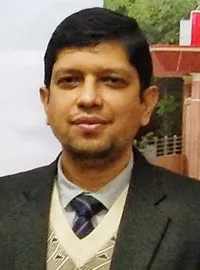
Dr. Md. Najmul Karim

Dr. Md Mahamudul Hasan
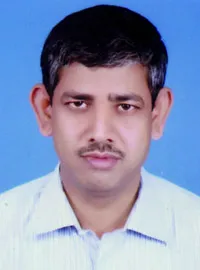
Prof. Dr. A.K.M. Kamruzzaman
Staying Overnight in Rangpur Town
Families coming from the far northern upazilas often cannot finish everything in a single day — the appointment, the sample, the waiting — and an overnight stay in Rangpur town becomes part of the plan. Choose lodging near the chamber or the bus terminal rather than far out, so a tired child is not dragged across town at night. A warm room and an early night do more for the next morning's visit than a late arrival ever could.
Keep the child's name, age, and the referring doctor's name on a card inside the report folder, in case you need help finding the chamber after a long day. If the chamber is new to you, ask a shopkeeper near the bus terminal for directions instead of wandering with an exhausted child. Confirm with the selected facility its exact location and a nearby landmark when the appointment is booked.
Arranging a Safe Stay With a Child
Pick a room that locks, with bedding warm enough for a northern winter night, and keep food, water, the child's medicines, and the report folder within arm's reach. Hold back a small cash reserve for an unplanned extra night — fog, a delayed report, or a follow-up the doctor adds can all extend the stay by a day.
Where Samples Are Collected and How Reports Reach You
Sample collection usually happens at the chamber's own arrangement or a nearby lab in town, and not every advised test can be completed locally. Ask at the counter which tests will be done in Rangpur and whether any samples must travel to a higher centre — and whether that journey adds days to the report. Knowing this on the day prevents a second long trip built on wrong assumptions.
Ask how many days the reports will take and exactly how they will reach you: collected in person, or sent through a channel the chamber uses. Keep the payment receipts with the reports in the same folder; they belong to the child's medical record for future visits. If a report runs late, a phone enquiry with the receipt number in hand settles things faster than another bus journey.
Receiving Reports Without a Second Trip
A second journey from a far district just to collect paper doubles the family's burden, so ask upfront whether an attendant carrying the receipt can collect the reports. Confirm with the selected facility whether the results can first be shared by phone or message once ready, so whoever collects knows precisely what to ask for at the counter.
Budgeting for Repeated Trips From the North
Blood-related care usually means returning — for repeat tests, reviews, or a changed plan — and every return multiplies bus fares, food, and any overnight stay. Ask the doctor at the first visit for the likely schedule of the coming months, so the family sees the true cost of the course and not just the first bill. A politely requested written estimate of test charges leaves no surprises for later.
Keep a simple expense log at the back of the report folder: the date, the purpose of the trip, the tests done, and the amount spent. Over a season, that log shows whether the family can hold the schedule or should ask the doctor for an adjusted plan — wider gaps between visits, or pairing the child's review with another errand in town. Money worries raised openly with the doctor produce better plans than appointments silently missed.
Travelling With an Infant or a Seriously Ill Child
An infant or a genuinely unwell child needs a stricter standard of planning than a routine review. Travel with two adults when possible — one to hold and soothe the child through the road and the chamber, the other to manage tickets, fares, the report folder, and the questions for the doctor. Pack extra warm clothing, keep the current prescription within easy reach, and carry oral rehydration salts only if the doctor has previously advised them for this child.
If the child's condition worsens on the way — unusual drowsiness, refusal to feed, or fresh bleeding — drop the plan for the specialist chamber and seek the nearest medical help first. Ask the doctor at the first consultation which danger signs mean the journey must be interrupted, and keep that short list where both travelling adults can see it.
What Happens If Fog Delays You on Test Day
A fog-bound morning is a transport problem, not a medical failure, and it should be handled as one. Contact the chamber as early as you can, explain that the highway is fog-locked, and ask to shift the appointment to the next workable day. Chambers that serve families from across the north understand the fog season when it is explained plainly and early.
If the child had been fasting, ask the doctor how to redo the preparation — whether the fast simply restarts the next day or the timing must be reworked around the new journey. Do not feed a disappointed child a heavy meal and then rush for the road the same day; a properly re-planned visit beats a compromised one. Note the delayed date on the folder so the gap is explained next time.
Keeping Follow-Up Care on Track Between Visits
The weeks between visits are when parents do the real work of watching. Keep a single running page at the front of the report folder: dates of fevers, new bruises or bleeding, changes in appetite, medicines given, and anything the child complained of. That timeline lets the specialist read the pattern at a glance instead of rebuilding it from memory under time pressure.
At each visit, ask the doctor what exactly to watch for before the next one, and have those instructions written onto the prescription itself. If a scheduled date begins to slip — because of fog, distance, or the season — inform the chamber rather than disappearing; a doctor who knows the reason for the delay can say whether it is safe or needs another plan.
Red-Flag Symptoms That Should Not Wait for the Next Trip
Some signs must never be filed away for the next scheduled journey. Seek urgent medical attention if the child has heavy or prolonged bleeding, a large unexplained bruise that keeps spreading, blood in urine or stool, persistent high fever, extreme paleness, or unusual drowsiness and unresponsiveness. These signs override every travel plan — the nearest capable care comes first, and the specialist can be told afterwards.
Ask the specialist at the first visit which warning signs apply to your child's own condition, and keep that personal list at the very front of the folder where any family member can find it. Agree in advance where the family should go if the regular chamber cannot be reached — a foggy winter morning is no time to start searching for options.
Frequently Asked Questions
Should we reach Rangpur the evening before the appointment?
If your home is in a far northern upazila — or the visit falls in fog season — arriving the evening before is the calmer choice. It protects the appointment from a delayed bus and lets the child rest before the consultation. Confirm with the selected facility whether the chamber can accommodate a morning slot after an overnight stay, and ask what time the doors open.
Can my child's blood test be done in our own district?
Some basic tests can, but the specialist's advised panel is usually drawn at the chamber's lab in Rangpur town. Ask whether any collection point exists nearer your home, and confirm with the selected facility whether every advised test can be completed locally or some samples must go to the tertiary centre. Never split a panel across towns without the doctor's say-so.
Does my child need to fast before the blood test?
Only if the doctor orders it for the specific tests advised — many blood tests are unaffected by food. Ask exactly how many hours the fast should run, whether plain water is allowed, and what to do if the child eats during the long journey. Never keep a child hungry through a cold travel day without the doctor's clear instruction.
Will dense fog cancel our appointment?
Fog does not cancel the appointment; it delays the traveller. Call the chamber early, explain the fog, and ask to move the slot — most chambers serving northern families handle this routinely in winter. If fasting was involved, ask the doctor how to redo it rather than improvising, and never push a sick child onto a fog-bound highway to save the date.
How do winter fevers affect the diagnosis?
Seasonal colds and fevers can cloud the picture, so tell the doctor about every recent illness — when it started, how long it lasted, what was given. The specialist will separate the season's noise from the blood condition's signal, but only from a complete account. Do not hide a cold thinking it is irrelevant; it may explain a number or sharpen a question.
Can someone else collect our child's reports?
Ask the chamber whether an attendant carrying the payment receipt can collect the reports on your behalf — many chambers permit this, sparing the family a second long journey. Confirm with the selected facility whether the results can first be shared by phone or message, so the attendant knows exactly what to request at the counter.
Sponsor Space Available
Place your banner here to reach thousands of patients daily.
Grow Your Practice
Premium placement for hospitals & doctors.