Best Blood Specialist in Rangpur - Book Appointment
What Does a Blood Specialist Do?
A blood specialist, also called a hematologist, is a doctor who diagnoses and treats disorders of the blood, bone marrow, and lymphatic system. People in Rangpur usually meet a hematologist after a routine blood report comes back abnormal — low hemoglobin, unusual white cell counts, platelet problems, or a swelling in the neck or armpits that a general physician wants investigated further.
The hematologist's scope includes anemia (iron deficiency, B12 deficiency, and inherited forms such as thalassemia), bleeding and clotting disorders, platelet disorders, and blood cancers such as leukemia, lymphoma, and multiple myeloma. After recording your history and examining you, the doctor requests targeted blood tests — a complete blood count with peripheral film, iron studies, or hemoglobin electrophoresis — and on that basis decides whether a bone marrow examination or a referral is warranted.
In Rangpur, the hematologist's role matters all the more because Dhaka is far away. The city serves as the divisional referral hub for Kurigram, Lalmonirhat, Gaibandha, Thakurgaon, Dinajpur, Panchagarh, and Nilphamari — and patients from Mithapukur, Pirganj, Badarganj, Kaunia, and Gangachara often arrive after long journeys. Having tertiary hospitals in the city means much of the diagnostic path can be completed without the long trip south. Ask your doctor which steps can be arranged locally in Rangpur and which, if any, truly need Dhaka.
When Should You Consult a Blood Specialist in Rangpur?
Consider seeing a blood specialist if a general physician has suggested a hematology opinion, if abnormal blood reports keep repeating without a clear cause, or if you or a family member has a known inherited blood condition such as thalassemia needing long-term monitoring. If you have been referred from another northern district, bring every report from your local doctors — a complete file lets the specialist move straight to the next step instead of repeating tests.
You should also seek a consultation for unexplained bleeding or clotting — heavy menstrual bleeding, bleeding gums, blood in urine or stool, deep vein swelling, or bruises appearing without injury. Swollen lymph nodes persisting for weeks, night sweats with weight loss, and bone pain with abnormal blood counts are further reasons not to delay. Browse the hematology listings on this page for specialists currently practising in Rangpur; for related needs you can also browse doctors in Rangpur across other specialties, or see medicine specialists in Rangpur who commonly manage anemia, platelet disorders, and coordinate shared care with hematologists.
How Blood Disorder Care Works in Bangladesh
Blood disorder care in Bangladesh follows a tiered pattern. Initial evaluation — history, examination, and basic blood tests — happens at district hospitals and private chambers. Confirmatory testing, such as bone marrow biopsy or flow cytometry, is done at tertiary hospitals. As a divisional city, Rangpur has its own tertiary hospitals, so most confirmatory tests and many treatment phases can be arranged within the city — ask your doctor what is possible locally for your case.
For Rangpur, Dhaka is reserved for the most advanced care, including bone marrow transplant and certain highly specialized protocols — and the distance makes that trip a serious undertaking, so it should only happen when truly needed. Treatment itself ranges from medication and transfusion support to chemotherapy for blood cancers, depending on the diagnosis. For patients travelling in from other northern districts, the key question is which visits must happen in Rangpur and which follow-ups can return home. Before planning treatment, confirm with the selected hospital whether the full course — tests, transfusions, and follow-up visits — can be managed there. May require referral to a tertiary centre in Dhaka if the diagnosis is complex, and your treating doctor can guide which level of care your condition needs.
3 available specialists found
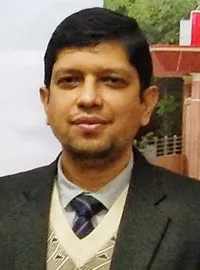
Dr. Md. Najmul Karim
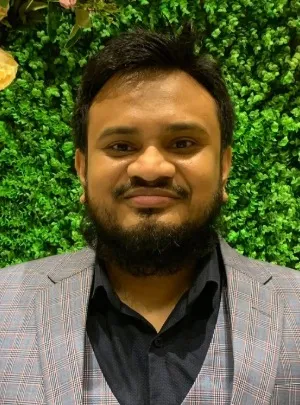
Dr. Md Mahamudul Hasan
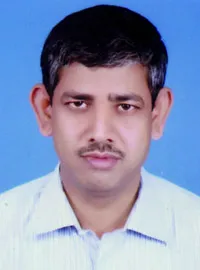
Prof. Dr. A.K.M. Kamruzzaman
Preparing for Your Hematology Visit
Even a little preparation makes a hematology consultation far more productive. Carry all previous blood reports — complete blood counts, peripheral blood film, iron studies, hemoglobin electrophoresis, and any bone marrow or transfusion records. Bring a list of current medicines and supplements, since iron tablets, vitamins, and blood thinners affect how results are read. Note your symptoms with dates: when the tiredness started, how often bleeding occurs, whether fevers or weight loss came with them.
If you are travelling in from outside Rangpur city — Taraganj, Pirgacha, or a neighbouring northern district — ask the chamber beforehand whether samples are collected on site and whether you need to arrive fasting. In the cold season, plan for weather delays: ask whether your appointment can be rescheduled without losing your place if travel becomes difficult. For children with suspected thalassemia, bring the child's vaccination record and any transfusion history as well.
Questions Worth Asking Your Blood Specialist
Good questions help you leave the chamber with a clear plan. Consider asking: What is the most likely cause of my abnormal report, and what else could it be? Which tests are essential now, and can they all be done here in Rangpur? If a bone marrow test is suggested, ask what it involves, where it will be done, and how long the report takes.
For long-term conditions, ask about the treatment goal — cure, control, or symptom relief — the side effects of proposed medicines, and how you will know treatment is working. If transfusion is mentioned, ask about the schedule, where it will be given, and what the family should arrange in advance. If you live outside the city, ask which follow-ups can happen with your local doctor and which need you to return — fewer trips matter when distances are long. For inherited conditions, ask whether siblings or future children should be screened. Finally, ask when to return and which warning signs should bring you back sooner.
Common Blood Disorders and How They Are Diagnosed
In Bangladesh, no blood problem is more common than anemia. Iron deficiency anemia is diagnosed through hemoglobin, iron studies, and ferritin; treatment is supplementation plus finding the underlying cause. Vitamin B12 and folate deficiencies are identified through blood levels and a peripheral film showing enlarged red cells. Thalassemia trait and disease are diagnosed with hemoglobin electrophoresis (HPLC), and couples are often advised to screen before marriage, since two carrier parents can have a severely affected child.
Platelet disorders show up as low platelet counts or dysfunctional platelets, evaluated with counts, peripheral film, and sometimes bone marrow examination. Clotting disorders such as hemophilia are diagnosed with factor assays, usually available only at larger centres. Blood cancers like leukemia and lymphoma are suspected from blood counts and confirmed with bone marrow biopsy, flow cytometry, and lymph node biopsy. Because Rangpur is a divisional city with tertiary hospitals, the full range of confirmatory tests may be available here — ask your doctor which ones your case requires.
Treatment Approaches
Treatment follows the diagnosis. Nutritional anemias respond to iron, B12, or folate replacement along with treating the underlying cause. Thalassemia major needs lifelong regular transfusion with iron chelation therapy at centres equipped for day-care transfusion — confirm with the selected hospital in Rangpur whether it offers this service before committing to a plan. Immune platelet disorders are treated with steroids or other immune-modulating medicines; hemophilia is managed with factor replacement and bleed prevention.
Blood cancers are treated with chemotherapy protocols, and in selected cases bone marrow transplant — available only at a few highly specialized centres in Dhaka, requiring donor matching and long follow-up. Given the distance from Rangpur to Dhaka, the treatment plan should be explicit about which phases truly need the capital and which can stay in Rangpur, so families are not making the long journey for steps that could be done locally. Supportive care matters across all conditions: infection prevention, vaccination, nutrition, and regular monitoring. May require referral to a tertiary centre in Dhaka for transplant evaluation, advanced chemotherapy, or specialized factor therapy.
Frequently Asked Questions
Is there a blood specialist (hematologist) available in Rangpur?
As a divisional city with tertiary hospitals, Rangpur usually has hematology coverage. Check the doctor listings on this page for hematologists currently practising here. If none is listed, medicine specialists commonly handle initial blood disorder evaluation and referral — see medicine specialists in Rangpur for options.
Can leukemia or lymphoma treatment start in Rangpur?
Many diagnostic tests and early treatment phases can often be handled at Rangpur's divisional tertiary hospitals — ask your doctor what your case needs. Confirm with the selected hospital before planning treatment, and get a written plan covering where each phase will happen. Bone marrow transplant and certain advanced protocols are concentrated in Dhaka.
When is a trip to Dhaka genuinely needed?
When your treating doctor advises it — typically for bone marrow transplant evaluation, highly specialized protocols, or diagnoses that need facilities beyond a divisional tertiary hospital. Do not assume Dhaka is needed for every step; ask your doctor which phases can stay in Rangpur. Because the journey is long, get the referral reason and the receiving centre confirmed in writing before travelling.
Winter travel is difficult — how do I reduce the number of trips?
Ask your doctor for a written follow-up plan with the minimum necessary visits, and ask which reviews can happen with a local doctor near your home. Keep one file of all reports that travels with you to every visit, so no appointment is wasted on missing paperwork. Ask the chamber about its rescheduling policy for weather-related delays, and clarify how test results will reach you between visits.
What should I bring to my first hematology visit?
Bring every blood report you have: complete blood counts, peripheral film, iron studies, ferritin, B12 levels, hemoglobin electrophoresis, and any bone marrow or transfusion records. Also carry your medicine list and a written timeline of symptoms. Old reports prevent repeat testing and save both time and money — especially valuable when you have travelled from a distant district.
Should family members be screened if I have an inherited blood disorder?
Often yes. Siblings of a thalassemia major patient, and couples planning marriage or pregnancy where one partner carries thalassemia trait, are usually advised to get hemoglobin electrophoresis screening. Ask your doctor whether screening can be arranged locally in Rangpur and whether genetic counselling is available.
Sponsor Space Available
Place your banner here to reach thousands of patients daily.
Grow Your Practice
Premium placement for hospitals & doctors.