Best Child Blood Specialist in Khulna - Book Appointment
Understanding Pediatric Blood Disorders in Khulna
Children in Khulna, like everywhere in Bangladesh, can develop blood disorders ranging from iron-deficiency anemia to inherited conditions such as thalassemia and hemophilia. A child blood specialist — a pediatrician with additional training in hematology — diagnoses and manages these conditions in patients from infancy through adolescence.
Because thalassemia trait is relatively common in the Bangladeshi population, families in Khulna Division often first encounter pediatric hematology when a routine blood test shows low hemoglobin or abnormal red cell indices. Early, accurate diagnosis matters: it determines whether a child needs iron therapy, transfusion support, or simply watchful follow-up.
When to See a Child Blood Specialist
Consider seeing a child blood specialist if your child has persistent pallor, unexplained fatigue, frequent nosebleeds, easy bruising, enlarged lymph nodes or spleen, or blood test results that stay abnormal on repeat testing. Your pediatrician may also refer your child before starting long-term iron or transfusion treatment.
Newborns flagged by screening tests, children with a family history of thalassemia or hemophilia, and children whose anemia does not improve with standard treatment all benefit from a specialist review rather than repeated trial therapy.
Finding a Child Blood Specialist in Khulna
Khulna is a divisional city, so families here have a practical advantage over more remote districts: pediatric hematology services are available without travelling to Dhaka. You can begin by browsing doctors in Khulna and comparing them with the best blood specialist in Khulna listings to see who treats children as part of their practice.
Public vs Private Care Options
Public care in Khulna city centers on the teaching hospital — Khulna Medical College Hospital — where pediatric departments manage blood disorders at low cost but with longer queues and fixed OPD days. Private chambers and hospitals in the city offer shorter waits and more flexible session timings; compare both sides before deciding, since long-term conditions may require dozens of visits.
Some families split their care: an initial private consultation for a firm diagnosis and plan, then follow-up visits in the public system. Whichever route you choose, keep one consistent treating doctor so your child's records stay in one place.
Choosing by Session Timing
Busy specialists in Khulna typically hold morning and evening sessions, and the right slot depends on your family's routine. Morning sessions suit school-going children who can attend before class, while evening sessions work for parents who travel in from surrounding upazilas after work — but evening lists fill fastest, so confirm your session choice when you take your serial.
Common Conditions Treated
Thalassemia and Hemoglobinopathies
Thalassemia is one of the most common reasons Khulna families visit a child blood specialist. Depending on the type, treatment ranges from observation and folic acid supplementation to regular transfusion programs with iron-chelation monitoring — plans that only a specialist should set and adjust.
Anemia and Nutritional Deficiencies
Iron, vitamin B12, and folate deficiencies are frequent causes of childhood anemia in this region, but not every pale child is iron-deficient. A specialist distinguishes nutritional anemia — which responds to supplementation — from thalassemia trait and other inherited conditions, where iron therapy is ineffective and can be harmful if continued blindly.
What to Expect at the First Visit
The first visit usually involves a detailed history — birth, feeding, growth, family history, and prior blood reports — followed by a physical examination focused on pallor, jaundice, lymph nodes, and spleen size. Bring every previous prescription and blood report you have; repeating tests unnecessarily wastes time and money.
The specialist may order fresh tests on the same day or ask you to return with reports before finalizing a diagnosis. A single first visit rarely settles a complex case, so expect a diagnosis-and-plan process rather than instant answers.
Serial and Token Systems at Busy Chambers
Popular chambers in Khulna run on serial or token systems: you register with the chamber assistant — often by phone earlier in the day — and receive a number that decides your place in the queue. Tokens for sought-after specialists can fill within hours of opening, so call ahead rather than arriving and hoping.
Tokens are rarely transferable, and arriving late may push you to the end of the list regardless of your number. Ask the assistant the expected waiting time when you register, and plan for the reality that evening sessions with 40 or more serials often run hours behind schedule.
Cross-Town Travel With a Sick Child
Khulna city's traffic peaks can turn a short trip across town into a long, uncomfortable ride for a pale, fatigued child. Where possible, choose a chamber near your route or combine the visit with nearby lab work so your child is not travelling twice in one day.
Carry water, a light snack, and your child's reports in a single folder; avoid the midday heat for children with anemia or bleeding tendencies. If your child has hemophilia or a platelet disorder, travel with a small medical summary card so any emergency contact along the way understands the condition.
Follow-Up Care and Long-Term Management
Most pediatric blood conditions are managed over months or years, not cured in a single visit. Regular follow-ups track hemoglobin trends, growth, and response to therapy, and the specialist adjusts doses or transfusion schedules based on these trends — missing visits breaks that chain of information.
Keep a simple logbook of test dates, hemoglobin values, and medicines between visits. Families who bring organized records get more out of each short consultation than those who rely on memory.
1 available specialists found
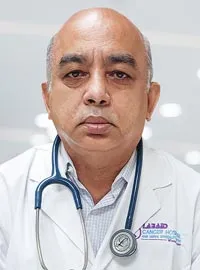
Prof. Dr. Md. Sirajul Islam
Diagnostic Tests Used in Pediatric Hematology
Diagnosis in pediatric hematology rests on layered testing: simple screening tests first, then targeted investigations only when the screening points a direction. This stepwise approach keeps costs and needle pricks to the minimum necessary.
Complete Blood Count and Blood Film
The complete blood count (CBC) with red cell indices is the starting point for almost every case, and a peripheral blood film — where a pathologist examines the cells under a microscope — often reveals clues that numbers alone cannot. Together they guide the next step, whether that is iron studies or hemoglobin analysis.
Specialized Tests You May Be Asked For
Depending on the case, the specialist may request hemoglobin electrophoresis or HPLC, serum ferritin and iron studies, coagulation profiles, or bone marrow examination. Some specialized tests are sent to reference laboratories outside Khulna, so confirm the sample collection day and report delivery time with the selected facility before you go.
Preparing Your Child for Blood Tests
Most routine blood tests need no fasting, but some do — ask the chamber or lab when the test is ordered rather than guessing. A calm, well-hydrated child gives blood more easily; explain in simple words what will happen, and bring a favorite toy or distraction for younger children.
For children with bleeding disorders, inform the lab staff of the condition before the needle goes in, and plan for firm, prolonged pressure on the puncture site afterward.
Second Opinions: When and Why
A second opinion is reasonable when a diagnosis would commit your child to long-term transfusion, when treatment is not working as expected, or when surgery or a bone marrow procedure is proposed. In Khulna you can seek it from another specialist in the city; for rare conditions the second opinion may need to come from a Dhaka-based tertiary center.
Bring complete records to a second-opinion visit — repeating the same incomplete workup rarely changes the answer.
Referral Pathways From Khulna to Larger Centers
Some situations exceed what Khulna's facilities can handle locally: bone marrow transplantation evaluation, complex coagulation factor replacement, or advanced genetic testing. In these cases your Khulna specialist will write a referral to a tertiary center, usually in Dhaka, specifying exactly what is needed so the trip is not wasted.
Plan referred trips carefully — confirm the receiving doctor's OPD day, carry all original reports, and arrange where the child will rest between appointments, since same-day return journeys are exhausting for ill children.
Cost Considerations and Planning
Consultation fees, test charges, and medicine costs vary widely between public and private facilities in Khulna, and long-term conditions multiply every expense across many visits. Ask for a written test list with estimated charges before sampling, and confirm prices with the selected facility rather than relying on hearsay.
For transfusion-dependent children, factor in the recurring costs of blood screening, chelation medicines, and travel — budgeting honestly from the start prevents treatment interruptions later.
Red Flags That Need Urgent Care
Seek urgent care if your child develops sudden severe pallor, unusual sleepiness, breathing difficulty, uncontrolled bleeding, a rapidly enlarging lump or swelling, or high fever with a known blood disorder. Do not wait for the next scheduled chamber session when these appear — go to the nearest emergency department.
Children with hemophilia or low platelets need emergency plans in writing: what to do for head injury or major bleeding, and which hospital to reach first. Discuss this plan with your specialist before an emergency forces improvisation.
Supporting Your Child Between Visits
Between visits, your most important jobs are giving medicines exactly as prescribed, watching for the warning signs your doctor listed, and keeping nutrition steady — regular meals with iron-rich foods where the doctor has advised them. Never start or stop hematology medicines on your own judgment.
Keep your child in school whenever safely possible; isolation harms more than it protects. Inform teachers discreetly about activity limits for children with bleeding disorders so playground injuries stay minor.
Frequently Asked Questions
What does a child blood specialist treat?
A child blood specialist (pediatric hematologist) diagnoses and manages anemia, thalassemia and other hemoglobin disorders, hemophilia and bleeding disorders, platelet problems, and suspected childhood blood cancers in patients from infancy through adolescence.
Does my child need a referral to see a specialist in Khulna?
Most private chambers in Khulna accept patients directly without a formal referral, while public hospital OPDs may ask for one. A referral letter from your pediatrician still helps any specialist understand the case faster.
How do serial and token systems work at busy chambers?
You register with the chamber assistant, usually by phone, and receive a serial or token number for that session. Lists can fill within hours for popular specialists, so call early, arrive on time, and expect evening sessions to run behind schedule.
How often will my child need follow-up visits?
It depends on the condition: stable thalassemia trait may need only periodic review, while transfusion-dependent children are seen every few weeks. Your specialist sets the interval based on hemoglobin trends and treatment response.
When should we travel outside Khulna for care?
Consider a referred trip when local facilities cannot provide what your child needs — such as transplant evaluation, specialized genetic testing, or factor concentrates that are unavailable locally. Your Khulna specialist's referral letter should state exactly what the visit must achieve.
What should we bring to the first appointment?
Bring all previous blood reports, prescriptions, vaccination and growth records, and a written list of your child's symptoms and family history. Organized records save the specialist's time and reduce repeated testing.
Sponsor Space Available
Place your banner here to reach thousands of patients daily.
Grow Your Practice
Premium placement for hospitals & doctors.