Best Blood Specialist in Khulna - Book Appointment
What Does a Blood Specialist Do?
A blood specialist — called a hematologist in medical terminology — diagnoses and treats diseases of the blood, bone marrow, and lymphatic system. Common conditions include anemia, thalassemia and other hemoglobin disorders, platelet problems, bleeding or clotting disorders, and blood cancers such as leukemia and lymphoma.
In everyday practice, a hematologist studies your complete blood count and peripheral blood film carefully, then orders targeted investigations when needed — iron studies, vitamin B12 and folate levels, hemoglobin electrophoresis, coagulation profiles, or bone marrow examination. Treatment may range from simple iron or vitamin replacement to transfusions, immunosuppressive therapy, or chemotherapy for blood cancers.
Hematology is a sub-specialty of internal medicine, so many blood specialists also work as medicine specialists and manage co-existing problems like diabetes, hypertension, or liver disease alongside the blood disorder. In Khulna, hematologists mainly treat adults; depending on their training and hospital, some also see children with blood disorders.
When Should You Consult a Blood Specialist in Khulna?
Consider consulting a blood specialist in Khulna when a blood test repeatedly shows low hemoglobin, abnormal white cell or platelet counts, or findings your physician wants explored further. Common triggers include persistent fatigue and weakness, unexplained bruising or bleeding, prolonged bleeding after cuts or dental work, frequent nosebleeds, unusually heavy menstrual periods, or a family history of thalassemia or hemophilia.
You can browse doctors in Khulna to find hematologists practicing in the city, or see medicine specialists in Khulna if your problem sits between general internal medicine and hematology — many medicine specialists manage straightforward blood conditions such as nutritional anemias on their own and refer onward only when a deeper evaluation is needed.
Parents in Khulna often seek a blood specialist when a child's blood report shows persistent abnormalities, when a newborn screening raises a hemoglobin concern, or when a thalassemia carrier couple is planning a family. Early evaluation matters because inherited blood disorders are managed best when they are identified before complications develop.
How Blood Disorder Care Works in Bangladesh
As Bangladesh's third-largest city — a major industrial port on the Rupsha river — Khulna's tertiary hospitals serve patients from across the southwestern region. Blood disorder care in Bangladesh usually starts with your family physician or a medicine specialist, who refers you to a hematologist when the diagnosis is unclear or the treatment is complex. As a divisional city, Khulna has its own tertiary hospitals and diagnostic centres where most hematology consultations, routine blood work, transfusions, and standard investigations can be arranged.
Certain highly specialized procedures — such as bone marrow transplantation — are concentrated in Dhaka, so a patient from Khulna may need referral there for the most advanced care. Ask your doctor whether a particular test or treatment can be arranged locally in Khulna or whether referral is needed, and confirm with the selected hospital before planning treatment so there are no surprises.
Because many blood disorders need long-term follow-up, choosing a specialist in Khulna you can visit regularly is often more practical than traveling to Dhaka for every review. Regular monitoring of blood counts, transfusion schedules, and medication adjustments can usually be managed locally once a diagnosis and treatment plan are established.
1 available specialists found
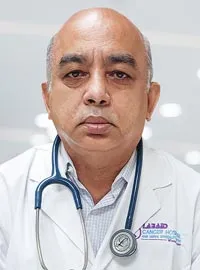
Prof. Dr. Md. Sirajul Islam
Preparing for Your Hematology Visit
A little preparation makes your first hematology visit far more productive. Carry all previous blood reports — especially complete blood counts and peripheral blood films — in date order, along with prescriptions, discharge summaries, and transfusion records if you have received blood before. A written list of current medicines, including vitamins and supplements, saves time and avoids confusion.
Note your symptoms with dates: when fatigue began, how often nosebleeds occur, whether bruising appears without injury, and any family history of blood disorders. If you need blood drawn, confirm any fasting requirement with the hospital beforehand — most hematology tests do not need fasting, but some paired investigations do.
Questions Worth Asking Your Blood Specialist
Clear questions lead to clearer answers. Ask what your diagnosis means in plain language, what caused it, and whether it is inherited, acquired, or nutritional. Ask which tests come next, what each will clarify, and whether it can be done in Khulna or needs referral elsewhere.
For treatment, ask about the goal of each medicine, how long it takes to work, what side effects to watch for, and how often blood counts must be repeated. If transfusions are discussed, ask about expected frequency, the iron-overload risk with repeated transfusions, and the recommended monitoring schedule.
Common Blood Disorders and How They Are Diagnosed
Anemia is the most common blood problem in Bangladesh and is usually nutritional — iron, B12, or folate deficiency — but persistent anemia deserves evaluation for chronic disease, blood loss, or inherited causes. Thalassemia and HbE disorders are widespread here; hemoglobin electrophoresis or HPLC identifies carriers and confirms the diagnosis.
Bleeding and clotting disorders — including immune thrombocytopenia (ITP) and hemophilia — are diagnosed through platelet counts, coagulation profiles, and factor assays. Blood cancers such as leukemia and lymphoma usually need bone marrow examination or lymph node biopsy with immunophenotyping. A good specialist matches the investigation to the clinical picture rather than ordering every test at once.
Treatment Approaches
Treatment depends entirely on the diagnosis. Nutritional anemias respond to iron, B12, or folate replacement with dietary correction. Inherited disorders such as thalassemia major are managed with regular transfusions, iron chelation, and vaccination against infections, with careful long-term monitoring.
Immune conditions like ITP may be treated with steroids or other immunosuppressive medicines, while blood cancers are managed with chemotherapy protocols, targeted therapy, or immunotherapy where available. Supportive care — transfusions, infection prevention, growth factors — matters across all categories. Confirm with the selected hospital which treatments it can provide in Khulna, and be prepared for referral to a tertiary centre for complex or advanced therapies.
Frequently Asked Questions
Do I need a referral to see a blood specialist in Khulna?
In most private hospitals and chambers in Khulna, you can book an appointment with a hematologist directly without a referral letter. A referral from your physician is still useful because it carries your clinical summary and previous reports, which help the specialist reach a diagnosis faster. Confirm the appointment policy with the selected hospital before visiting.
What reports should I carry for my first hematology visit?
Bring every blood test you have — CBC reports, peripheral blood films, iron studies, B12 or folate results — in date order, plus prescriptions, discharge papers, and any transfusion history. A list of current medicines and a short note on your symptoms and family history of blood disorders will help the doctor use the consultation time well.
Can bone marrow examination be done in Khulna?
Bone marrow aspiration or biopsy is performed at tertiary-level hospitals, and whether it can be arranged locally depends on the hospital's facilities and the specialist's setup. Ask your doctor whether the procedure can be arranged in Khulna or whether referral to a tertiary centre is needed, and confirm with the selected hospital before planning.
Is long-term thalassemia care available in Khulna?
Routine thalassemia follow-up — transfusions, blood count monitoring, and iron chelation — is generally manageable at tertiary hospitals in a divisional city like Khulna once a treatment plan is in place. The initial diagnosis and any advanced procedures may require referral. Ask your doctor to map out which parts of care can stay local and which may need referral to Dhaka.
How much does a hematology consultation cost in Khulna?
Consultation fees vary by hospital, chamber, and the doctor's seniority, and they change over time — so no fixed figure can be quoted here. Check the current fee with the hospital's reception or the chamber's booking desk when you make the appointment, and ask whether follow-up visits carry a reduced fee.
When does a blood disorder patient from Khulna need to go to Dhaka?
Most diagnosis and ongoing care can be handled in Khulna's own tertiary hospitals. Referral to Dhaka is usually considered for bone marrow transplantation, certain advanced molecular diagnostics, or highly complex blood cancers needing specialized protocols. Your hematologist will advise when referral is genuinely needed and when local care is sufficient.
Sponsor Space Available
Place your banner here to reach thousands of patients daily.
Grow Your Practice
Premium placement for hospitals & doctors.