Best Child Neurologist in Dhaka - Book Appointment
The Blinking That Will Not Stop
It starts at homework time. Your son blinks hard, again and again, as if something is stuck in his eye. A week later he is shrugging one shoulder. Then comes the throat clearing, over and over, through dinner, through bedtime stories.
These repeated movements and sounds have a name. Doctors call them tics. A tic is a quick movement or sound that a child makes without meaning to. Eye blinking, shoulder shrugs and throat clearing are some of the common ones.
Tics are not bad behaviour. Your child is not doing this to annoy anyone, and he usually cannot stop it for long. Holding it in takes effort, like holding back a sneeze. The urge builds, the tic slips out, and there is brief relief.
If this picture sounds familiar, a child neurologist can help you sort out what is happening. You can look through the doctors in Dhaka listings to find one and book a visit. Bring a short phone video if you can. Tics often stop the moment a child sits in a clinic, and a video shows what you see at home.
153 available specialists found
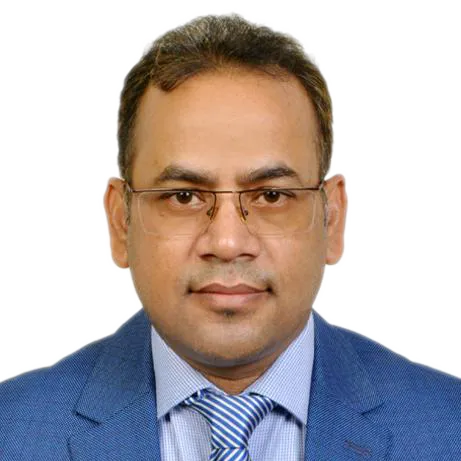
Asst. Prof. Dr. Md. Merazul Islam Sheikh (Meraz)

Asst. Prof. Dr. Farhana Mosleh Uddin
Dr. Md. Anisul Hasan
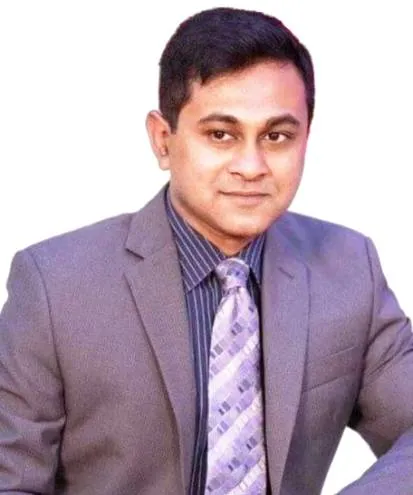
Prof. Dr. Amit Wazib

Dr. Rakesh Kumar Mondol
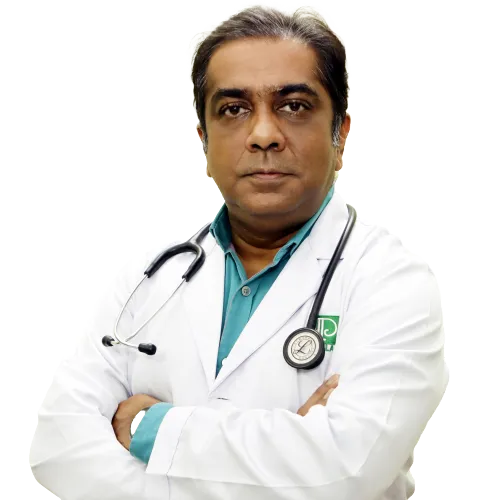
Dr. Ruhul Quddus

Dr. Md. Rokibul Islam (Rokib)

Prof. Dr. Haradhan Deb Nath

Assoc. Prof. Dr. Monsur Ahmed

Prof. Dr. Akhlaque Hossain Khan
Tics, Habits, and Rubbed Eyes: Telling Them Apart
Not every repeated movement is a tic. A child with an eye allergy rubs and blinks because the eyes itch and water. Nail biting or hair twirling is usually a habit, done slowly and almost absent-mindedly.
Tics feel different from the inside. There is often a building urge first, then the movement, then relief. They come in bursts. One tic may fade after some weeks and another may take its place.
A neurologist sorts this out by listening and watching. You will be asked when it started, how it changes through the day, and whether anyone in the family had something similar. A simple examination of the nerves and muscles usually follows.
Why Scolding Makes It Worse
Tics grow stronger when a child is tired, unwell or anxious. They also flare when a child feels watched. A parent pointing it out at every meal, or a teacher scolding in front of the class, adds pressure. The tic then comes more, not less.
So the first advice is often the hardest: stay calm and mostly ignore it. Quietly make sure sleep is regular. Note what was happening on the bad days. That short note helps the doctor more than you would expect.
You can also prepare a child specialist in Dhaka visit for general health questions that sit alongside, like sleep or appetite. One visit does not have to cover everything. Ask your doctor whether your child needs follow-up with the neurologist, or just observation at home.
What Treatment Usually Looks Like
Many tics settle on their own over time. When they do, the main job is patience and a calm home. The doctor may simply watch and review after some months.
If tics upset your child, affect school, or cause pain, more help is available. Habit training teaches the child to catch the urge early and answer it with a gentler movement. Medicine is considered only in some cases. Confirm with the selected hospital whether any suggested therapy is arranged there. In a few cases, the doctor may require referral to a higher-level centre for further checks.
Frequently Asked Questions
Are tics a sign that my child is naughty or nervous?
No. Tics are involuntary movements or sounds. Worry and tiredness can make them stronger, but they are not a behaviour problem.
Should I tell my child to stop doing it?
Constant reminders usually make tics worse. Your child already knows. Gentle support and regular sleep help far more than repeated correction.
How long do tics last?
They vary a lot. Some fade within weeks or months. Others come and go over a longer period, changing shape along the way.
When should I see a child neurologist?
Book a visit if the movements are new, spreading, or upsetting your child. Also come in if there is weakness, a fall in school performance, or anything else new.
Will my child need a brain scan?
Usually not. Most tics are diagnosed from the history and examination. The doctor will explain if any test is needed and why.
Can a phone video really help?
Yes. Tics often disappear in the clinic because the child is trying hard to hold them in. A short home video shows the doctor the real picture.
Sponsor Space Available
Place your banner here to reach thousands of patients daily.
Grow Your Practice
Premium placement for hospitals & doctors.