Best Child Gastroenterologist in Chittagong - Book Appointment
Why Chittagong Children Face More Stomach Problems
Families across Chittagong district — from Sitakunda's industrial belt to the coastal villages of Banshkhali and the hills around Rangunia — deal with children's stomach problems more often than many parents expect. The district is large and varied: some homes draw water from deep tube-wells, others from ponds or shallow wells, and city areas rely on municipal supply. Children move between these worlds — drinking one kind of water at home in Hathazari and another at a relative's house in Patiya — and their digestive systems feel every change. Market food culture adds another layer: busy bazaars, roadside snacks after school, and shared food at family gatherings all shape what children eat each day.
When stomach trouble keeps coming back, parents often travel from the upazilas to the city for answers. That journey — by bus or CNG, sometimes with a sick child — is part of life in this district, and it is worth making for the right care. A child gastroenterologist looks at the whole pattern: diet, water, growth, and illness history, not just today's symptom. If you want to see the wider doctor landscape first, browse doctors practising across Chittagong district.
Chronic Diarrhoea: When Loose Motions Do Not Stop
A few days of loose motions after a mild infection is common and usually settles. But when diarrhoea lasts two weeks or more, or keeps returning every few weeks, it is called chronic or persistent diarrhoea, and it deserves a specialist's attention. Children in this situation often lose weight, eat less, and become irritable — and parents are sometimes told it is "just a phase" when it is not.
Common causes behind weeks of loose motions
Long-lasting diarrhoea can come from untreated intestinal infections, repeated parasite infestation, food intolerance such as lactose trouble after a gut infection, or conditions like coeliac disease that are less common but real. A child gastroenterologist works through these step by step — starting with simple stool and blood tests — rather than repeating the same short course of treatment.
Worms and Intestinal Parasites in School-Age Children
Children who play barefoot, eat with unwashed hands, or drink untreated water pick up intestinal worms easily, and reinfection is frequent in rural parts of the district. A single deworming tablet clears the current worms but does not protect a child who returns to the same exposure the next week.
Signs your child may have worms
Itching around the bottom at night, grinding teeth, a bloated belly with thin arms and legs, poor appetite, and passing visible worms in stool are classic signs. Roundworms are the most common; pinworms spread quickly among siblings. Treatment is simple, but prevention — clean water, handwashing, footwear, and periodic deworming — is what keeps them away.
Constipation: A Quiet, Growing Problem
Hard, painful, or infrequent stools are one of the most under-reported problems in children. School children hold it in because toilets are dirty or there is no time between classes; toddlers refuse the potty after one painful episode. The stool then gets harder, the child holds more, and the cycle deepens — sometimes with soiling that looks like diarrhoea but is overflow from impacted stool.
Most constipation improves with diet changes — more water, vegetables, fruit, and fibre — plus a regular toilet routine. A specialist steps in when constipation lasts months, when there is blood on the stool, or when a child has never passed stool normally since birth, which can signal a structural problem needing evaluation.
Reflux, Vomiting, and Baby Colic
Spitting up is normal in young infants, but forceful or frequent vomiting is not. Reflux — where milk comes back up with discomfort, arching, and poor feeding — needs assessment when the baby is not gaining weight. Colic, the evening crying that exhausts new parents, usually peaks around six weeks and fades by four months; it is distressing but not dangerous in an otherwise healthy, well-growing baby.
Warning signs that crying or vomiting needs a doctor include projectile vomiting in a young infant, green (bilious) vomit, blood in vomit, fever with vomiting, and a baby who is feeding poorly or losing weight. Trust your instinct: a baby who feels wrong to you deserves to be examined.
Food Allergies and Intolerances
Cow's milk protein allergy is the most common food allergy in infants, showing up as blood-streaked stools, eczema, vomiting, or colicky pain. In older children, certain foods — milk, egg, wheat, nuts — can trigger hives, swelling, vomiting, or breathing difficulty, which needs urgent care.
Spotting a food reaction early
Keep a simple food diary: what the child ate and when symptoms appeared. Reactions that appear within minutes to two hours of eating are more likely to be true allergies; problems that build over days often point to intolerance. Do not cut out whole food groups from a growing child's diet without medical guidance — unnecessary restriction causes more harm than the suspected food.
Jaundice and Liver Warning Signs
Yellow eyes or skin in a child beyond the newborn period is never normal and needs prompt evaluation. Liver problems in children can follow infections, certain medicines, or — rarely — structural problems with the bile ducts that need early surgery.
What pale stools and dark urine mean
Dark, tea-coloured urine with pale or clay-coloured stools is a red-flag combination suggesting blocked bile flow. Paired with jaundice, itching, or a swollen belly, it needs same-week specialist review. A child gastroenterologist coordinates blood tests and ultrasound to find the cause quickly.
Dehydration and ORS: What Every Parent Should Know
Diarrhoea and vomiting become dangerous when a child loses more fluid than they take in. Sunken eyes, a dry mouth and tongue, very little urine, unusual sleepiness, and — in infants — a sunken soft spot on the head all signal dehydration. Oral rehydration salt (ORS) solution, mixed exactly as the packet directs with safe water, replaces lost fluid and salts and saves lives every day.
Give small, frequent sips — a spoonful every few minutes — rather than large gulps a vomiting child will reject. Continue breastfeeding, and keep offering food; the old advice to starve a child with diarrhoea is wrong and harmful. For digestive conditions affecting adults in the family too, you may also want to see a gastroenterologist in Chittagong for adult digestive care.
9 available specialists found
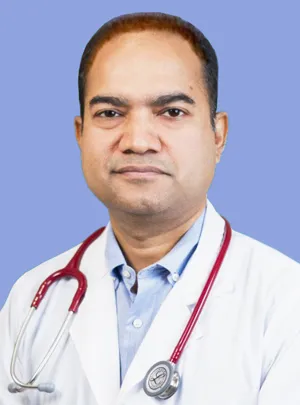

Dr. A.S.M. Rashedul Hasan


Dr. Md. Musleh Uddin Shahed


Dr. Mostafa Noor Mohsin

Dr. M. Saleh Uddin Siddique Ujjal

Dr. Soumitra Chowdhury

Dr. Tasbirul Hasan Zihan
Growth Faltering and Poor Weight Gain
A child who is not gaining weight — or who is dropping across growth-chart lines — is telling you something, even when they seem otherwise fine. Repeated gut infections, undiagnosed food intolerance, chronic worms, and poor nutrient absorption all show up first as faltering growth. The district's pattern of repeated short illnesses can quietly eat into a child's growth over a year.
Reading your child's growth chart
Bring the growth chart to every visit — the government's EPI card or any clinic record with plotted weights works. A single low weight matters less than the trend: two or three consecutive visits showing flattening or falling lines deserve investigation, even if the child looks active.
Preparing for Your Child's GI Appointment
A good first visit runs on good information. Bring every stool test report you have, blood reports, any ultrasound films, the child's vaccination and growth records, and a list of medicines already tried — including traditional remedies, which can affect the gut and interact with prescribed treatment.
Write down the story before you travel: when symptoms started, how often they occur, what the stool looks like, what the child eats on a typical day, and what makes things better or worse. For families coming from Anwara, Mirsharai, or the southern upazilas, this preparation makes the long trip to the city count — the doctor gets the full picture in one visit instead of asking you to return.
Common Tests a Child Gastroenterologist May Order
Most evaluations start simply. A stool routine test looks for infection, blood, and parasites; blood tests check for anaemia, inflammation, and nutrition levels; an abdominal ultrasound (USG) looks at the liver, gallbladder, and bowel. These three cover the majority of children's GI problems.
When endoscopy is considered
Endoscopy — passing a thin camera into the stomach or colon — is reserved for specific situations and older children, done at referral centres under sedation. It is used when bleeding, suspected inflammatory bowel disease, or coeliac disease needs direct confirmation. It is never the first step, and a careful specialist will explain exactly why it is needed before recommending it.
The Medical-College Corridor: Referrals That Work
Chittagong's medical-college hospitals anchor the district's referral chain: complex cases from upazila health complexes move up to the city when local treatment is not enough. A child gastroenterologist practising in this corridor sees the full range — from simple constipation to rare liver disease — and knows when a case needs the college hospital's facilities.
If your child's condition needs highly specialised testing or procedures available only in the capital, your doctor may refer you onward. In that case you can also review specialists practising in Dhaka to understand the next step of the referral chain before you travel.
Safe Water and Food Hygiene at Home
Most childhood gut infections in the district are preventable at the point of water and food. Boil drinking water for a full rolling minute, store it in a clean covered container, and use a dedicated cup or ladle — dipping hands into the storage pot recontaminates it. Wash hands with soap after the toilet and before eating; for small children, make it a supervised habit, not a suggestion.
In market and tea-stall culture, teach children to eat freshly cooked hot food, avoid cut fruit sold uncovered, and drink water you have packed from home. Street food is part of growing up here — the rule is not never, but choose busy stalls with high turnover where food is cooked fresh in front of you.
Tube-Well, Pond, and Municipal Water: What to Watch
Water risk changes with the source. Shallow tube-wells can carry bacterial contamination, especially after floods or in the monsoon; pond and river water used for washing can splash into cooking; municipal supply is treated but storage tanks and pipes introduce their own contamination. Families who move between village and city homes should treat water safety as a habit in both places, not just one.
After any flood or heavy waterlogging — common in low-lying coastal areas — assume stored and well water is unsafe until boiled. Watch children for diarrhoea in the week after floods; outbreaks follow water, and early ORS at home prevents the worst outcomes.
Red Flags: When to Seek Care Immediately
Some symptoms should never wait for a routine appointment. Blood in the stool, persistent vomiting that prevents any fluid intake, signs of severe dehydration, a swollen or rigid belly, and jaundice with pale stools all need urgent evaluation. For general children's health concerns beyond digestion, a child specialist in Chittagong can be the first point of contact who then refers to GI care if needed.
Trust the pattern as well as the moment: a child who has visited local doctors three or four times for the same stomach complaint without improvement needs a specialist review, not another round of the same medicine.
Frequently Asked Questions
At what age can a child see a gastroenterologist?
A child gastroenterologist treats patients from newborns to adolescents — roughly up to 18 years. There is no minimum age; even young infants with feeding problems, poor weight gain, or suspected liver issues are seen. If you are unsure whether your child's problem is digestive, your regular child doctor can advise whether a GI referral is needed.
My child has had diarrhoea for three weeks. Is that too long to wait?
Three weeks of diarrhoea is longer than a routine stomach upset and should be evaluated. Bring a note of how many loose stools per day, whether there is blood or mucus, what the child has been eating and drinking, and any medicines already given. Do not wait for the child to become dehydrated or lose significant weight before seeking help.
How do I know if it is worms or something more serious?
Worms usually cause mild, on-and-off symptoms — night-time itching, a bloated belly, variable appetite — and respond to deworming. Warning signs pointing beyond worms include blood in stool, persistent vomiting, ongoing weight loss, severe abdominal pain, or symptoms that return quickly after deworming. A stool test settles the question in most cases.
Is endoscopy safe for children?
When performed at a proper referral centre, under sedation and by an experienced team, endoscopy is safe for children — but it is only recommended when simpler tests cannot answer the question, such as suspected inflammatory bowel disease or coeliac disease. It is never done casually, and the specialist will explain the reason, the preparation, and what to expect afterwards.
What should my child eat during diarrhoea?
Keep feeding your child — stopping food prolongs recovery. Offer the usual home foods the child accepts: rice, lentils, banana, and other familiar items. Continue breastfeeding for infants. Give ORS after every loose stool, and ask your doctor if anything else is needed for your child's recovery.
We live in an upazila far from the city. How should we plan the visit?
Collect everything before you travel: all test reports, the growth record, a list of medicines tried, and a short written history with a food diary of the last few days. One well-prepared visit usually achieves more than several unprepared ones, and the doctor can often set a follow-up plan that your local doctor carries out — saving repeat long journeys.
Sponsor Space Available
Place your banner here to reach thousands of patients daily.
Grow Your Practice
Premium placement for hospitals & doctors.