Best Child Blood Specialist in Chittagong - Book Appointment
Why a Child Blood Specialist May Require a Trip to Chittagong City
Chittagong is the referral hub for the entire southeastern region, and pediatric hematology is one of the specialties that most families must travel to the city to access. A child blood specialist deals with conditions like anemia that does not improve, repeated blood transfusions, clotting and bleeding problems, and suspected blood cancers in children. These problems need precise lab work and specialist judgment that are rarely available at the upazila level. If your child has been advised to see a hematologist, the trip to the city is usually worth planning carefully rather than delaying.
Who Is a Child Blood Specialist?
A child blood specialist, also called a pediatric hematologist, is a doctor who diagnoses and manages disorders of the blood in children. This includes iron-deficiency anemia, thalassemia and other hemoglobin disorders, immune-related platelet problems, hemophilia and similar clotting disorders, and abnormal blood counts that need investigation. The specialist interprets test results in the context of a growing child's body, which is different from adult blood medicine. Your referral letter should mention the specific concern so the specialist can prepare for the right line of questioning.
Deciding Whether Your Child Needs This Visit
Not every pale child needs a city trip, so start with your local doctor's assessment. Common triggers for a pediatric hematology referral are persistent pallor or fatigue despite iron treatment, frequent nosebleeds or gum bleeding, unexplained bruising, repeated need for blood transfusion, or an abnormal complete blood count picked up locally. If two or more of these are present, or if a single finding is severe, travelling to Chittagong becomes the sensible next step. Do not let distance turn a six-week-old concern into a six-month-old one.
Talk to Your Local Doctor Before You Leave
A short visit to your upazila doctor or the child specialist at your nearest district town before the trip multiplies the value of the city appointment. Ask the local doctor to write a referral note describing the symptoms, the timeline, and the tests already done. Confirm which blood tests the city specialist will likely repeat, so you do not pay twice unnecessarily. Local doctors who regularly refer to Chittagong often know which specialists are taking new patients and which days clinics run.
Gathering Your Child's Reports in Date Order
Specialists read a child's history in sequence, so arrange every report chronologically, oldest first, before you leave home. Include complete blood counts, hemoglobin electrophoresis, ferritin and iron studies, any transfusion records, and discharge summaries from earlier admissions. A photocopy set is enough for the visit; keep the originals somewhere safe at home. If some tests were done at a private lab and others at a government facility, label each report so nothing gets mixed up at the consultation.
Reports from Upazila Labs: What Helps and What Needs Repeating
Reports from upazila-level labs are useful for the timeline but may be repeated at a city lab for accuracy. Machine errors and reagent quality vary, so a pediatric hematologist may want a fresh complete blood count done in Chittagong before making a diagnosis. Bring the old reports anyway — they show trends the specialist cannot recreate. Ask your local doctor which values are most time-sensitive so you can plan whether to re-test on arrival day.
How to Handle Missing or Lost Reports
If older reports are lost, write down from memory the dates, the hospitals or labs involved, and what the doctor told you at the time. A short written summary of "what happened when" is far better than arriving with no history at all. The specialist can still work from your account and fresh testing. Never invent values you do not remember; "I don't remember" is honest data too.
Asking the Key Questions Before Booking
Before finalizing travel plans, confirm with the selected facility the appointment date and time, whether the child needs to arrive fasting for blood tests, and whether a booking fee or advance payment is needed. Ask whether the clinic runs on the stated day only, because many specialists consult on fixed weekly schedules. Confirming these three facts saves a family from a wasted journey of several hours.
The Fasting Question: Settle It Before the Journey
Some blood investigations need a fasting sample while others do not, and you cannot afford to learn this after arriving in the city. Ask explicitly whether your child should skip breakfast before the visit. For a toddler, fasting is harder to manage on a long journey, so schedule early-morning appointments when fasting is required. If no fasting is needed, pack a normal meal so the child stays comfortable during waiting time.
What to Pack for the Day Trip
Pack the reports folder, the referral note, the immunization card, a list of current medicines with doses, drinking water, snacks, and a change of clothes for the child. Long journeys from upazilas can be hot and tiring, and waiting rooms get crowded. Keep a small bag of essentials within reach rather than buried in luggage, so the consultation itself starts calmly.
What to Tell Your Child About the Trip
A long journey to an unfamiliar city worries a small child, so explain beforehand in simple words where you are going and why. Tell them a special doctor in Chittagong will check their blood so they can get better. Avoid false promises — instead of "nothing will happen," say there may be some waiting and one small blood test. Honest preparation makes the child far more cooperative on travel day.
A Pre-Trip Checklist for the Night Before
Packing everything the night before makes an early-morning departure calm. Put the reports folder, referral note, immunization card, and medicines list in one bag; confirm transport tickets or fares; agree on the timing with your travel companion. Charge your phone and save emergency contact numbers. This one hour of evening preparation is worth more than a rushed morning where something gets forgotten.
2 available specialists found

Prof. Brig. Gen. Dr. Mizanur Rahman
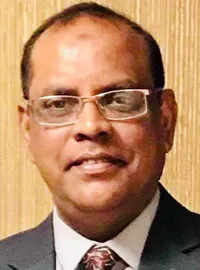
Prof. Dr. Mohammad Golam Rabbani
Planning Your Journey to Chittagong City
Families come to Chittagong from Sitakunda, Mirsarai, Hathazari, Patiya, Anwara, Chandanaish, Satkania, Lohagara, Banshkhali, Sandwip and beyond. Leave home with enough margin that a traffic jam or a late bus does not eat into your appointment slot. The port city's roads congest badly during morning hours, so aim to arrive at least an hour before the stated appointment time. If you are travelling from a char or island area, confirm the last ferry or launch connection home the same evening before you assume a day trip is possible.
When to Plan an Overnight Stay
Plan to stay overnight if the appointment is late in the day, if blood samples must be drawn fasting the next morning, or if the return transport leaves too early to finish the consultation. Many families book a simple hotel near the chamber area so the child can rest between the test and the report review. An overnight stay also gives you a buffer if the specialist asks for an extra test that reports the same evening.
Travelling with a Sick Child: Practical Tips
A child who is pale, tired, or recently transfused travels worse than a healthy one, so build rest into the plan. Bring a companion — one adult handles the child while the other manages queues, paperwork, and directions. Keep medicines the child takes regularly in the day bag, not the main luggage. If the child has a bleeding disorder, carry that information on a card in case of an emergency during the journey.
Using the Waiting Time Wisely
Specialist clinics in Chittagong often run behind schedule, and travelling families sometimes wait two to three hours. Use that time to double-check your report folder is in date order and to write down the questions you want to ask. Note the symptoms timeline in your own words — when pallor first appeared, how often bleeding happens, how the child responds to treatment. A clear one-page timeline handed to the doctor is one of the most useful things a travelling family can bring.
What Happens During the Consultation
Expect a detailed history, a physical examination focused on pallor, bruises, lymph nodes, and spleen size, and a review of your reports. The specialist may order blood tests, some drawn the same day, and possibly schedule further investigations. Bring a notebook and write down the plan before leaving the room, because you may not get a written summary. Ask which results will be available the same day and which will take longer.
Doctors remember concrete details better than vague worries, so describe exactly what you see: instead of "weak," say "sleeps after walking half a kilometer" or "stops playing in ten minutes." For bleeding, note where it happens, how long it lasts, and what stops it; for transfusions, bring the dates, bag counts, and where each was given. List every medicine the child has taken for the blood problem, including iron syrups, vitamins, and injections, with durations — and mention any local or herbal remedies too, since some affect blood values.
Preparing Your Child for Blood Tests
Children fear needles more than anything else in a hospital visit, and a tired, travel-weary child fears them most. Explain in simple words that a small blood sample will be taken and that it will hurt briefly. Bring a familiar toy or snack as a reward for after the test. Do not promise "no injection" if a sample is clearly needed — broken promises make the next visit harder.
Understanding Test Results on a Short Schedule
Travelling families feel pressure to get every answer in one visit, but some tests need days. Ask the doctor which results are urgent for treatment decisions and which can be communicated by phone. Get the doctor's contact arrangement for report discussion before you leave Chittagong. If results will take a week, agree on who calls whom and on what date.
Planning Follow-Up When You Live Far Away
Follow-up is the hardest part of travelling for care, so plan it during the first visit. Ask which reviews need an in-person visit and which can be done through reports sent by phone. Some families combine the child's follow-up with market trips or other city errands to save a separate journey. Keep a follow-up diary with dates, doses, and symptom notes so the next consultation starts from facts, not memory.
Warning Signs and Common Myths
Return sooner — locally if needed — if the child develops unusual bleeding that does not stop, sudden severe pallor, high fever with chills, or marked swelling of the abdomen. Do not wait for the scheduled follow-up date when these appear. Call the specialist's arrangement or visit the nearest emergency service promptly.
You may also hear myths on the journey home: that blood transfusions are always dangerous, that iron medicine alone cures every anemia, or that a child "outgrows" thalassemia. Transfusions carry small, managed risks but save lives when indicated; iron helps only iron deficiency; thalassemia needs lifelong care, not waiting. Base your decisions on the specialist's advice, not on reassuring stories from fellow passengers.
Frequently Asked Questions
Do we need to stay overnight in Chittagong for the first visit?
Not always, but plan for it if the appointment is late, fasting blood samples are needed the next morning, or return transport is uncertain. Confirm the appointment timing with the selected facility before deciding. An overnight stay also gives the specialist time to review same-day test results with you.
Will the specialist repeat the blood tests done at our local lab?
Often yes, at least the key ones, because diagnostic decisions need reliable values. Bring the local reports anyway since they show the child's trend over time. Ask your referring doctor which tests are most likely to be repeated so you can budget accordingly.
Should the child fast before the first visit?
Confirm this with the selected facility when you book, because it depends on the planned investigations. If fasting is required, an early-morning appointment makes the journey easier for a young child. Pack food to give right after the sample is taken.
What documents must we carry from home?
Carry all blood reports in date order, the local doctor's referral note, transfusion records if any, the immunization card, and a list of current medicines with doses. Photocopies are fine for the visit; keep originals safely at home. A one-page written timeline of symptoms is extremely helpful.
How do we manage follow-up if we live in an upazila?
Discuss this with the specialist during the first visit itself. Ask which reviews need a physical visit and which can be handled through reports shared over the phone. Keep a follow-up diary so each later consultation starts from recorded facts.
When should we seek care before the scheduled follow-up?
Seek earlier care for bleeding that does not stop, sudden severe pallor, high fever with chills, or marked abdominal swelling. Contact the specialist's arrangement or the nearest emergency service without waiting. Do not let travel distance delay urgent care.
Browse the doctor listings for the city at doctors in Chittagong, or compare with the adult-focused blood specialist in Chittagong page to understand how pediatric hematology differs from adult care.
Sponsor Space Available
Place your banner here to reach thousands of patients daily.
Grow Your Practice
Premium placement for hospitals & doctors.