Best Chest Specialist in Sylhet - Book Appointment
Visiting a Chest Specialist in Sylhet City: A Traveler's Guide
For families living in the hill tracts and tea-garden belts around Sylhet, a visit to a chest specialist in the city is often a full-day project. The journey itself takes planning: departure timing, transport reliability, and enough margin for queues at the chamber. A little preparation can make the day far less tiring, especially for a patient who is already short of breath or coughing. This guide walks through how travelers from surrounding areas can organize a smooth day trip to see a chest specialist in Sylhet city, from choosing a time slot to packing the right records.
Chest medicine specialists diagnose and manage conditions of the lungs and airways, such as persistent cough, asthma, chronic bronchitis, pneumonia, and tuberculosis. Ask your doctor whether your symptoms need a specialist review or whether a local physician can manage the first assessment. If you are traveling from a distance, that first check can save you an unnecessary trip — or confirm that the journey is the right call.
Planning Your Route to Sylhet City
Confirm transport options the day before you travel. Roads from hill and tea-garden areas can be affected by weather, and morning fog in the winter months can slow the first vehicles of the day. Ask someone who travels the route regularly about realistic travel time rather than relying on the distance alone. Keep the chamber's address saved on your phone, and ask the facility ahead of time about its exact visiting hours for the day you plan to come.
If you are using shared transport, book your seat early where advance booking is available. For patients with breathing difficulty, a window seat near fresh air can feel more comfortable than a crowded middle seat. Carry a small bottle of water and any inhaler or reliever medication your local doctor has already advised — do not start any new medicine on your own before the visit. Ask your doctor whether you should take your regular medicines on the travel day.
Choosing the Right Time of Day for Your Appointment
The time slot you pick shapes the whole day. An early slot means leaving home before dawn, which suits nearby areas but can exhaust patients who travel far. A midday slot gives you a calmer morning departure but risks a late return after dark. Weigh the patient's energy, the distance, and the season's daylight before you confirm with the facility.
Morning Appointments After an Early Start
Morning slots work well for travelers from areas within a couple of hours of the city. You arrive before the chamber gets crowded, and the doctor sees you while you are still fresh. The trade-off is a very early departure, so rest well the night before and keep breakfast light. Confirm with the selected facility whether morning slots fill up quickly and whether you should register your name in advance.
Afternoon Appointments for Longer Journeys
If your journey takes several hours, an afternoon slot may be kinder. You can leave home after a proper rest, travel in daylight, and reach the city with energy to spare for the consultation. The risk is that a delayed journey pushes into the evening, so build in a generous buffer. Ask the facility whether the doctor sees patients until a fixed closing time or continues until the queue is cleared.
What to Pack for a Day Trip to a Chest Specialist
A small, organized bag keeps the day manageable. Keep documents together in one folder so you are not searching through loose papers at the chamber counter. Travel light otherwise — heavy luggage only adds strain on a day that is already long.
Documents and Previous Records to Carry
Carry your national ID or any hospital card you already hold, plus every previous prescription, chest X-ray, and lab report related to your breathing complaints. Old reports help the specialist see how your condition has changed over time, which can reduce repeat testing. If a local doctor referred you, bring the referral note and mention any treatment you have already tried. You can browse the full list of doctors in Sylhet to compare chamber timings before you finalize your plan.
Personal Comfort Items for the Road
Pack drinking water, a light snack, tissues or a handkerchief for coughing, and a mask if you are sensitive to dust or vehicle smoke. A shawl or light jacket helps on air-conditioned transport and in cold waiting rooms. If the patient uses an inhaler, keep it in an easy-to-reach pocket rather than buried in the bag. Confirm with the selected facility whether there is drinking water and seating for attendants at the chamber.
Eating and Resting on the Travel Day
A long journey on an empty stomach can leave the patient weak before the consultation even begins. Eat a light, familiar meal before departure and carry something simple for the road. Avoid trying new or heavy foods on the travel day, since stomach upset will only make the trip harder. Ask your doctor whether any fasting is needed for a test you might be asked to do — if no test is planned, eating normally is fine.
Rest matters as much as food. If the journey is long, plan short breaks where the patient can stretch and breathe easy air. Avoid rushing between transport connections; a missed connection is less harmful than an exhausted patient arriving at the chamber. Patients who feel dizzy or markedly more breathless than expected during the journey should rest immediately and seek help rather than pushing on.
Traveling with a Companion
A chest patient should not travel to the city alone for a specialist visit. A companion can manage tickets, carry documents, queue at the counter, and notice if the patient feels worse during the journey. Choose someone calm and familiar with the patient's condition who can describe the symptoms accurately if the patient is too breathless to speak at length. Two companions can share the load on very long trips, but keep the group small enough to move through a busy chamber without trouble.
Reaching the Chamber and Managing the Wait
Aim to arrive at least thirty minutes before your slot so you can register, settle, and catch your breath. Waiting rooms can be crowded and warm; find a seat near ventilation if possible and keep your water handy. Keep your document folder ready — the assistant at the counter will likely ask for your previous reports first. If the patient feels increasingly breathless while waiting, tell the chamber staff promptly rather than waiting silently.
When your turn comes, describe symptoms in your own words: how long the cough or breathlessness has lasted, what makes it better or worse, and what medicines you have already taken. Honest, complete answers help the specialist far more than guessed medical terms. If you have consulted a medicine specialist in Sylhet before for the same complaint, say so and share that prescription too.
After the Appointment: Before You Head Back
Do not leave the chamber with unanswered questions. Read the prescription in front of the doctor or the assistant and ask what each medicine is for and how long to continue it. Ask your doctor whether any test advised can be done near your home or must be done in the city — this decides whether you stay an extra day. Confirm with the selected facility whether the doctor reviews reports online or needs another in-person visit, because that answer shapes your whole follow-up plan.
1 available specialists found
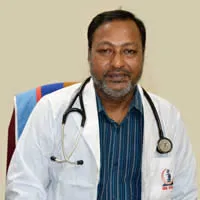
Professor Dr. M. Delwar Hossain
Reading Your Prescription Before the Return Journey
The prescription is the most important thing you carry home. Check that it lists the patient's name correctly and that the handwriting is legible enough for a pharmacy near your home to dispense. Ask the doctor or assistant about the purpose of each medicine, the timing of doses, and how many days to continue. If any instruction is unclear, clarify it before you leave the city — a phone call later may not reach the same doctor.
Keep one copy of the prescription photographed on your phone as a backup. Ask your doctor whether a digital copy is acceptable at your local pharmacy, so you are not stranded if the paper is lost on the road. Never buy medicines from unverified sellers on the way home; a proper pharmacy keeps the chain of quality you can trust.
How Follow-Up Trips Are Decided
Not every patient needs to return to the city. Some conditions settle with the first prescription, while others need the specialist to review progress in person. The decision depends on your diagnosis, your response to treatment, and what the doctor wants to re-examine. Ask your doctor at the first visit what signs should trigger an earlier return, so you are not guessing at home.
What the Doctor Reviews at a Follow-Up Visit
At a follow-up, the specialist compares your current symptoms with the first visit, reviews any test results done in between, and adjusts the treatment if needed. Bring the original prescription, all new reports, and a short note on how you felt day by day — improvement, no change, or worsening. This record helps the doctor decide whether the treatment is working or needs a different direction.
Tests That May Need an Extra Day in the City
Some chest investigations take more than a few hours. A test center may ask you to arrive fasting, wait for your turn, and return later for the report. If the doctor advises a test late in the day, ask whether the report will be ready the same evening or the next morning. Confirm with the selected facility whether reports can be collected by a relative later, or whether the doctor wants to see them before you leave Sylhet.
Plan your stay accordingly. A budget guesthouse near the test center saves another long commute across the city. Keep the test receipt safe — it is your proof for collecting the report. If staying overnight is difficult, ask your doctor whether the test can be scheduled on the morning of your next planned trip instead.
Long-Term Chest Care from a Distance
Conditions like asthma and chronic bronchitis need steady management between city visits, not only on appointment days. The treatment plan the specialist sets should be simple enough to follow at home for weeks at a time. Ask your doctor to write the plan clearly, including what to do if symptoms flare before the next visit. Keep a small diary of cough, breathlessness, and any extra medicine used — it becomes the most useful document at the next consultation.
Questions to Ask Before Your Next Trip
Before you travel again, prepare three or four specific questions: which symptoms improved, which stayed the same, and what worried you most. Ask whether your current medicines should continue unchanged until the visit, and whether any new test should be done before you come so the doctor can review it on the day. Confirm with the selected facility whether the doctor is available on your planned date — schedules can shift.
If the Specialist Suggests a Referral
Sometimes a chest specialist advises review at a larger or more specialized centre, especially for conditions needing advanced imaging, procedures, or long-term supervised treatment. This may require referral to a tertiary centre, and the specialist will explain why the referral helps. Ask what records to carry to the new centre so the next doctor does not start from zero. Confirm with the selected facility whether a written referral letter will be provided and whether any appointment needs to be fixed in advance.
Coordinating with Your Local Doctor Between City Visits
The doctor near your home is your first point of contact between specialist visits. Share the city prescription and test reports with the local doctor so both ends of your care stay aligned. If a new symptom appears or a medicine seems to cause a problem, consult the local doctor first — they can judge whether it needs an urgent trip to the city or can wait. Ask your doctor in the city whether the local doctor may adjust doses in an emergency, so everyone knows their role.
Making the Return Journey Comfortable
The trip home deserves the same care as the trip in. Travel after the patient has rested and eaten, not immediately after a tiring appointment if it can be avoided. Keep water, the prescription, and any newly bought medicines within reach rather than in deep luggage. If the journey is long, plan the same rest breaks as the onward trip. Watch for unusual breathlessness or dizziness on the way home and seek help promptly if either appears.
Frequently Asked Questions
How do I choose a chest specialist in Sylhet when I live far from the city?
Start by comparing chamber locations, visiting days, and how easy each is to reach from your area. Ask your local doctor whether a specialist review is needed for your symptoms. Then confirm with the selected facility about appointment booking and whether you need to register in advance before making the trip.
What should I bring for my first chest specialist visit?
Bring your ID, every previous prescription, chest X-rays, lab reports, and any referral note from your local doctor. A short written note describing your symptoms — when they started and what affects them — helps the consultation stay focused. Carry water, a light snack, and any reliever medication already advised for the journey.
Can tests be done on the same day as the consultation?
That depends on the test and the facility's schedule. Ask the doctor during the visit which tests are needed and confirm with the selected facility whether they can be completed the same day. Some reports take hours and others take a day, so plan your return travel only after you know the timeline.
How often will I need to travel back for follow-up visits?
Follow-up timing depends on your diagnosis and how you respond to treatment. Ask your doctor at the first visit when to return and what warning signs should bring you back sooner. Some reviews can be spaced out once the condition stabilizes, while others need closer monitoring.
What if I cannot travel to Sylhet city for a follow-up?
Discuss this honestly with the specialist. Ask your doctor whether the local doctor near your home can handle the review with the city prescription as a guide, or whether a report review from a distance is possible. Confirm with the selected facility what options exist before you assume the visit must be in person.
Is it safe to travel long distances with breathing difficulty?
Many patients make the journey safely with planning, but the risk depends on the severity of the condition. Ask your doctor whether travel is advisable in your current state and what precautions to take. Travel with a companion, keep reliever medication accessible, and rest immediately if breathlessness worsens on the road.
Sponsor Space Available
Place your banner here to reach thousands of patients daily.
Grow Your Practice
Premium placement for hospitals & doctors.