Best Chest Specialist in Rajshahi - Book Appointment
Why Chest Follow-Up Visits Matter in Rajshahi
Many chest conditions change slowly over weeks or months, and the value of a follow-up visit comes from comparing where things stand now against the previous visit. In Rajshahi, where seasonal dust, harvest-season particles and winter haze can affect breathing, a chest specialist needs an accurate picture of the whole interval between appointments — not only how the patient feels on the day of the visit. Preparing before the appointment helps the specialist see the full pattern instead of a single snapshot.
What Your Chest Specialist Wants to Know First
A chest specialist opens a follow-up by asking what has changed since the last appointment. A clear, factual account of the interval saves time and lets the doctor focus on the most important issues rather than reconstructing them from memory.
Symptom Changes Since the Last Visit
Before the appointment, note whether breathlessness, cough, wheeze or chest discomfort has improved, stayed the same or worsened. Record when the change happened and what seemed to trigger it — during exertion, at night, or in dusty surroundings. If any test was done after the previous visit, carry the report so the specialist can compare measurements directly.
New Concerns That Appeared Between Visits
List every symptom that was not present at the last visit, even if it seems unrelated to the chest. New fatigue, disturbed sleep, reduced appetite or a cough with a different character are all worth mentioning. Mark the ones that worry you most so they are not missed if the appointment runs short.
Tracking Your Symptoms Between Visits
A simple written record kept between appointments gives the specialist far more to work with than recollection alone. A small notebook or a phone note is enough — the format matters less than consistency.
What to Record Each Day
Write the date, a one-line note on breathing and cough, and anything that made symptoms better or worse that day. If medicines were prescribed, note whether the doses were taken as planned, and whether any dose was missed and why. This record helps the specialist tell a persistent pattern apart from an isolated bad day.
What Not to Worry About Recording
There is no need to measure oxygen levels, peak flow or heart rate at home unless the specialist specifically asked for it. Guessing at numbers or buying monitoring devices without advice can create confusion rather than clarity. Record only observations you are confident about and leave measurements to the clinic unless instructed otherwise.
Organizing Your Prescriptions and Test Records
Keep every prescription from the current course of care in date order, newest on top, so the specialist can see the treatment history at a glance. Place test reports — X-ray, CT, spirometry, blood work — in the same folder in the order they were done. If a test was repeated, keep both versions, because the comparison between them is often the point. Reports from any other doctor consulted in between should be included too.
Preparing for a Short Appointment Slot
Specialist appointments in Rajshahi are often brief, and a long unstructured explanation can consume most of the available time. Decide in advance on the three most important things you want to communicate or ask. Write them at the top of your notes so you can state them first, before going into detail.
Documents to Carry to the Follow-Up
Bring the previous prescription with the specialist's last advice, all test reports obtained since the last visit, your symptom notebook, and a list of any other medicines you take — including those prescribed for unrelated conditions. If you were referred to another department or a tertiary centre between visits, carry that referral note and the reports generated there as well.
Follow-Up Care at Tertiary Centres in Rajshahi
Some follow-up findings call for investigations available only at larger centres. If the specialist suggests a referral to a tertiary hospital in Rajshahi or Dhaka, ask what specific question the referral is meant to answer and which reports should accompany it. Confirm with the receiving centre whether the test needs prior booking, fasting or any other preparation.
Planning Ahead for the Next Appointment
Before leaving the clinic, confirm when the next follow-up should take place and what should be done in the meantime. Ask whether any test needs repeating before the next visit, and whether you should return sooner if a particular symptom appears or worsens. Writing these instructions down at the clinic avoids uncertainty later.
3 available specialists found

Asstt. Prof. Dr. Md. Mozzamel Hauqe
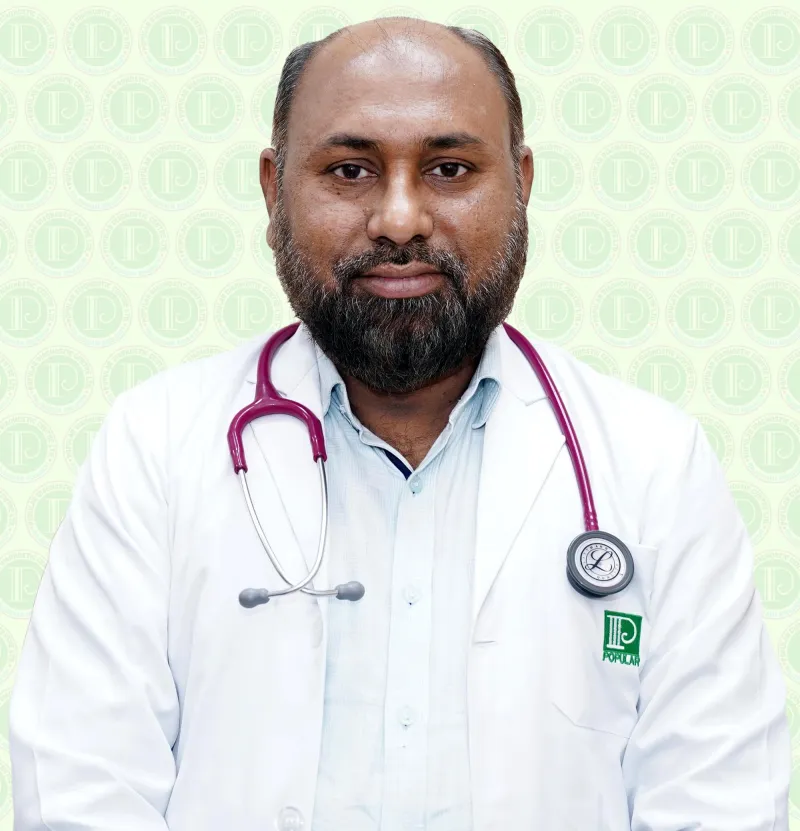
Asstt. Prof. Dr. Mohammad Abdun Nur (Sayem)

Prof. Dr. Ahamad Zainuddin Sani
How to Summarize the Interval Since Your Last Visit
A good interval summary answers three questions: what improved, what stayed the same, and what worsened. One or two sentences on each, supported by the dates in your notebook, give the specialist a structured overview in under a minute.
Building a One-Page Summary
On a single page, write the date of the last visit and the main advice received, then add short lines on symptom changes, new concerns and doses that were missed or taken as planned. Hand this page to the specialist at the start of the appointment — the doctor can read the full interval while you answer follow-up questions.
Questions Worth Prioritizing When Time Is Short
When the appointment is brief, questions about the meaning of a new symptom or a change in an existing one take priority over general questions. Questions about the next test, the next visit date and warning signs that merit an earlier return come next.
Sorting Questions by Urgency
Write down every question you have, then number them: questions about worsening symptoms first, questions about tests and reports second, and background questions last. If only the first group gets answered, the visit has still covered what matters most. Ask your doctor whether the lower-priority questions can be addressed at the next appointment or through the hospital's follow-up desk.
When a Follow-Up Needs to Be Moved Earlier
Certain changes between visits should not wait for the scheduled date. Breathlessness that is clearly worse than at the last visit, coughing up blood, a fever that does not settle, or chest pain that is new or stronger are signals to contact the hospital or clinic promptly. If you are unsure whether a symptom qualifies, a phone call to the hospital's help desk can clarify whether an earlier visit is needed.
What Happens After the Follow-Up Visit
At the end of the visit, the specialist records the new findings and may adjust the plan, order tests or set a new review date. Before leaving, read the new prescription and advice note to confirm the instructions are clear, and ask the doctor to explain anything you do not understand. Keep the new advice note with the previous ones so the sequence stays complete.
Coordinating Between Your Chest Specialist and Your Family Doctor
Many patients in Rajshahi see a local medicine doctor for day-to-day care and a chest specialist for periodic reviews. Carry the specialist's latest advice note when you see your family doctor, and mention the specialist's next review date so both records stay aligned. If the family doctor changes anything in between, note the change and its reason for the next specialist visit.
To arrange ongoing care, browse doctors in Rajshahi by area and specialty, or consult a medicine specialist in Rajshahi for general follow-up between chest reviews.
Keeping Records After Each Visit
After every follow-up, add the new prescription and advice note to your folder immediately and write the next appointment date somewhere visible. Update your symptom notebook with any new instruction, such as a change in what to record. A complete, ordered file makes each subsequent visit faster and more useful than the last.
Finding a Chest Specialist in Rajshahi for Your Next Follow-Up
If you are looking for a chest specialist for a first visit or a second opinion before your next scheduled review, compare the doctor's specialty, chamber location and available days against your needs. DoctorBD24 lists chest specialists practicing in Rajshahi with their chamber details, so options can be compared before booking.
Frequently Asked Questions
How often should chest follow-up visits happen?
Only the treating specialist can set the right interval, because it depends on the condition being followed and how it has behaved since the last visit. Ask your doctor at each appointment when the next review should be and whether any test should be completed before that date.
What should I do if my symptoms worsen before the next visit?
Contact the hospital or clinic where you were seen instead of waiting for the scheduled date. Describe what changed and when it started, and ask whether you should come in earlier or visit the emergency department.
Should I bring old reports or only the recent ones?
Bring the full set in date order, newest on top. The specialist may want to compare a recent scan or test against the earliest baseline, and missing reports can force a repeat of an investigation that was already completed.
Can I see a different chest specialist for the follow-up?
You can, but carry the complete file — all prescriptions, reports and your symptom notes — so the new doctor can understand the history without starting over. Confirm with the new clinic whether they accept your existing reports or require their own baseline tests.
How do I prepare if the appointment time is very short?
Write your three most important points at the top of a one-page summary and hand it over at the start. That way the key issues are communicated even when there is little time for discussion.
Do I need to fast before a chest follow-up visit?
Fasting is needed only when a specific blood test requires it. Ask the hospital or your doctor in advance whether any planned test needs fasting, and confirm with the selected hospital whether the test can be done on the day of the visit.
Sponsor Space Available
Place your banner here to reach thousands of patients daily.
Grow Your Practice
Premium placement for hospitals & doctors.