Best Cancer Surgeon in Narayanganj - Book Appointment
Why the Surgeon Wants to See You After the Operation
When the operation is over, the surgeon's job is not finished — it moves into a watching-and-checking phase. The follow-up visits are the appointments where the surgeon sees how the body is settling after the operation, reads the reports that were not ready at discharge, and notes anything that needs the team's attention. They are part of the treatment plan, not an optional extra.
One reason these visits matter is that the body keeps changing after surgery. The team that performed the operation is in the best position to judge whether what it sees at each visit matches what it expected. If something looks different from the expected course, the surgeon can decide what the next step should be — which may simply be another review.
The visits also set the direction of everything that comes later. Whether the patient stays mainly under the surgeon, or whether other doctors take the lead, is decided through these appointments. Ask your doctor at each visit who should be your main point of contact from that point on.
What the Team Reviews at Follow-Up Visits
In general terms, the surgeon reviews how the operated area is healing — what the wound looks like, whether there is unusual swelling or discharge, and how the patient is managing everyday matters such as eating, moving, and sleeping. These observations come from the patient as much as from the examination, so it helps to come ready to describe how the days between visits have been.
Reports that arrive later are another part of the review. Tissue sent to the laboratory during the operation takes time to examine, and the written report may only reach the surgeon days or weeks after the patient has gone home. The surgeon explains what the report says and how it affects the plan. Narayanganj is a district of the Dhaka division. A starting point for local information is the list of doctors in Narayanganj on this site, and a medicine specialist in Narayanganj may coordinate the patient's regular medicines during the period between surgical visits.
The visit is also the patient's chance to raise concerns. Questions about what was found during the operation, what the report means for the future, and what the next appointment will cover are all reasonable to bring. Writing the questions down beforehand keeps the appointment focused and makes sure nothing is forgotten.
What Long-Term Check-Ups Mean in Plain Language
"Surveillance" is the plain word for checking the patient at intervals after the main treatment is finished. It means the team keeps watching — through conversation, examination, and sometimes tests — so that if something new appears, it is noticed early. It is not a new treatment; it is a way of staying in touch with the body after treatment ends.
The pattern of these check-ups is personal. The surgeon explains which visits are planned, what each one is for, and how the plan may change depending on what is found. Ask your doctor what the planned visits for your case are and what each one is meant to achieve, rather than assuming every visit will be the same.
Over time, responsibility usually moves. The surgeon may keep seeing the patient for a while and then hand the main responsibility to another doctor, such as the doctor who gives cancer medicines or the patient's regular physician. The handover should be stated clearly at an appointment — who is now in charge, and who the patient should contact first with a new concern.
3 available specialists found
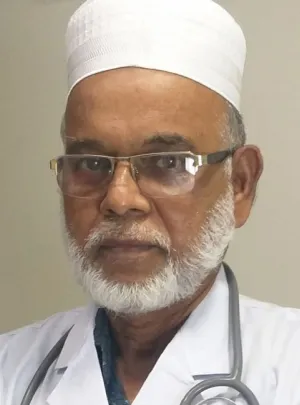
Prof. Dr. Md. Kazim Uddin

Dr. Md. Arifur Rahman

Dr. A.T.M. Kamrul Hasan
Bringing Your Questions to Each Visit
A follow-up visit works best when the patient arrives with clear questions. Useful ones include: what did the operation find, what does the latest report change about my plan, and what will the next visit cover. There is no wrong question at these appointments — if something about the illness or the plan is unclear, this is the place to raise it.
Questions about who is responsible for what are just as valuable. Ask your doctor whether the surgeon or another doctor should now be your first contact for new symptoms, and ask how the team members share information with each other. Knowing the chain of responsibility avoids confusion when something urgent comes up.
Bring the written notes from the previous visit, along with any new prescriptions or reports received since then. Comparing what was expected with what actually happened gives the surgeon a fuller picture. A short written record, kept visit after visit, becomes the patient's own summary of the whole journey.
How to Reach the Team Between Visits
At discharge, the team usually explains how to contact them if something comes up before the next appointment. This may be a phone number for the ward or a named doctor's chamber. Confirm with the selected hospital which number to use and during which hours it is answered, and write it down somewhere easy to find.
Ask the team what kind of development should prompt a call rather than waiting for the next visit. Rather than guessing, let the surgeon state at the appointment which signs they want to hear about promptly. Having this list agreed in advance means the patient does not have to decide alone whether something is important enough to report.
When calling between visits, state the facts plainly: what has changed, when it started, and whether it is getting worse. The person on the phone can then decide whether the patient should come in earlier. Keeping the discharge summary and the latest prescriptions at hand during the call makes the conversation quicker.
Keeping One Record of All Your Visits
Each visit adds documents: discharge summaries, laboratory and imaging reports, prescriptions, and the surgeon's notes. Keep them together in one file, in date order, so that any doctor who sees the patient — the surgeon, another specialist, or a new doctor — can read the whole story quickly.
A single record is especially useful when responsibility moves between doctors. The new doctor needs to know what operation was done, what the reports said, and what was agreed at each follow-up. Bringing the complete file to a new appointment saves time and prevents the patient from having to repeat the history from memory.
If a report is missing — for example, a pathology report that was promised but never collected — ask the hospital how to obtain a copy. Confirm with the selected hospital whether reports can be collected in person or sent another way, so the file stays complete.
How Follow-Up Responsibility Moves Between Doctors
In the early period after surgery, the surgeon is usually the main doctor. As healing settles, other doctors may take a larger role — the doctor who gives cancer medicines, the doctor who gives radiation treatment, or the patient's regular physician. This movement is normal and does not mean anything has gone wrong.
The handover should be communicated, not assumed. At some appointment, the team should say plainly that from now on a particular doctor is the main contact. If the patient leaves an appointment unsure who that doctor is, ask directly: who is in charge of my care now, and who do I call first with a new problem.
Even after the surgeon steps back, the team remains connected. Doctors treating the same patient share reports and decisions, and the patient may still see the surgeon from time to time for specific checks. May require referral to a tertiary centre if some part of the follow-up is not available locally — ask your doctor whether that applies to your case.
Frequently Asked Questions
Why does the surgeon need to see me after the operation is finished?
The operation is one part of the treatment, and the surgeon stays responsible for what follows. Follow-up visits let the surgeon see how the body is settling, review reports that were not ready at discharge, and decide the direction of the care that comes next — including whether other doctors should now take the lead.
What is usually checked at a follow-up visit?
In general terms, the surgeon checks how the operated area is healing, reviews how the patient has been managing between visits, and goes through any new reports. The patient is expected to describe how the days since the last visit have been, so the check is a conversation as much as an examination.
What are the reports that arrive after discharge?
The main one is the laboratory report on tissue removed during the operation, which takes time to prepare and may only reach the surgeon after the patient has gone home. The surgeon explains what the report says and how it affects the treatment plan, so a follow-up visit is the right place to ask about it.
What does "surveillance" mean after cancer treatment?
It means the team keeps checking the patient at intervals after the main treatment is finished — through conversation, examination, and sometimes tests — so that anything new is noticed early. Ask your doctor which check-up visits are planned for your case and what each one is meant to achieve.
What questions should I bring to a follow-up visit?
Useful questions cover what the operation found, what the latest report changes about the plan, what the next visit will cover, and who is now the main doctor to contact. Writing the questions down beforehand keeps the appointment focused and ensures nothing important is forgotten.
Who looks after me once the surgeon hands over care?
Responsibility may pass to the doctor who gives cancer medicines, the doctor who gives radiation treatment, or the patient's regular physician. The team should state the handover clearly at an appointment — who is now in charge and who the patient should contact first with a new concern.
Sponsor Space Available
Place your banner here to reach thousands of patients daily.
Grow Your Practice
Premium placement for hospitals & doctors.