Best Cancer Surgeon in Khulna - Book Appointment
What a Cancer Surgeon Does
A cancer surgeon is a specialist surgeon whose operating work is part of cancer care. Put simply, a cancer surgeon removes tumours by operation or takes small pieces of tissue for biopsy. Surgery is one of the central treatments for cancer, and the surgeon's role covers every stage where an operation is needed — from helping to establish the diagnosis, to removing the cancer when surgery is part of the plan, to guiding recovery afterwards.
The biopsy work is as important as removing tumours. The tissue sample is examined by a pathologist, whose report confirms whether cancer is present, identifies its type, and describes how aggressive it appears. A reliable treatment plan depends on that confirmation, so the surgeon's diagnostic operations matter even when no tumour is removed.
Cancer surgeons do not work alone; they work within teams of specialists. They discuss cases with medical oncologists, radiation oncologists, pathologists, and radiologists to decide together where surgery fits in the overall plan. After an operation, the surgeon's team manages wound care, reviews the pathology findings from the removed tissue, and agrees the next steps with the rest of the team.
Eating During Recovery
After an operation, eating well enough to support healing matters, but eating can feel harder in the first days after an operation. Keeping to regular mealtimes — even with small portions — helps the body get steady energy rather than long gaps without food. Drinking enough fluids through the day is part of the same picture, since dehydration can make weakness and tiredness worse.
There is no single eating plan that suits everyone recovering, and anyone in Khulna should treat eating advice as personal. Khulna is a divisional city of the Khulna division. For a starting point, the doctors in Khulna listed on this site show what care is available nearby, and a medicine specialist in Khulna can review your overall condition and refer you on when the findings suggest a surgeon.
When eating is difficult, ask your doctor or dietitian what to do next rather than struggling on silently. Nausea, a sore mouth, changes in taste, or trouble swallowing may occur after some operations, and the team can suggest ways to adjust meals or the timing of eating around what you can manage. Ask your doctor or dietitian which warning signs — such as being unable to keep food or fluids down — mean you should come back sooner.
Gentle Movement and Rest
Recovery from an operation is not only about the wound healing; the body also needs to find its balance between rest and activity again. Short periods of gentle movement — such as sitting up, standing, and taking a few steps when the team allows it — help circulation and can make you feel more like yourself. Rest matters just as much, and pushing through exhaustion helps no one.
What counts as safe movement depends entirely on the operation you had and your general condition, so there is no standard routine to follow. Ask your surgeon or the ward team when it is safe to start moving, how often short walks should happen, and which movements to avoid while tissues are still healing. If a physiotherapist is involved in your care, ask them to show you exactly what is safe for your case.
Listen to your body and report problems early rather than waiting for the next visit. Increasing pain, breathlessness, dizziness, or swelling that gets worse are reasons to contact the team promptly. Ask your doctor whether a slower or faster return to normal activity is expected for your operation, since every recovery follows its own course.
10 available specialists found

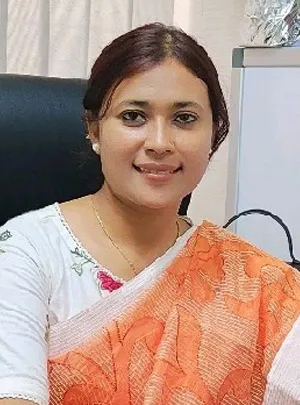
Dr. Shabnam Sultana

Dr. S. M. Sakib Kabir
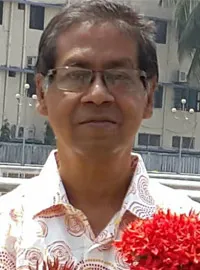
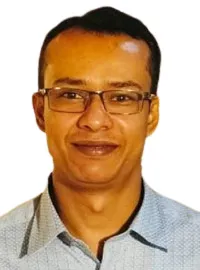
Dr. Altaf Hossain (Riad)

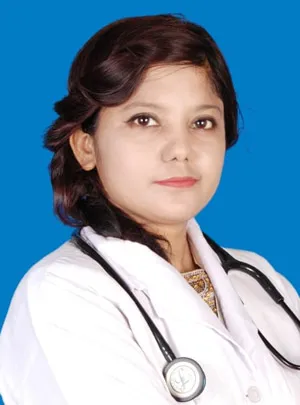
Dr. Sumona Das
Dr. Md. Arif Hossain

Dr. Soma Banerjee

Dr. Saiful Alam
Preparing for Your Visit
Bring everything the surgeon needs to understand your case without delay. That includes all previous prescriptions, medical reports, imaging films and reports, any biopsy reports or slides, and a complete list of the medicines you take now. If another doctor referred you, the referral letter or prescription shows what has already been assessed.
Write your symptoms down in the order they appeared, and note any family history of cancer, because both influence the questions the surgeon asks and the tests that follow. List your other health conditions and any drug allergies too, since these affect fitness for surgery and anaesthesia.
Bring a family member or trusted companion who can take notes during the discussion — surgical decisions carry many details, and a second listener helps. Ask the hospital beforehand whether any preparation is needed for the appointment, such as fasting, and prepare a short written list of questions about the operation, the plan, and recovery.
Questions Worth Asking
Begin with the purpose of the operation: is it meant to remove the tumour, to take tissue for diagnosis, or to ease a symptom? Ask how the operation connects to the whole treatment plan, and whether other treatments are expected before or after it.
Then cover benefit and burden in practical terms. Ask about the likely hospital stay, the wound care needed at home, which activities to avoid and for how long, and what the operation's risks are and how they are managed. Recovery is individual, so ask for the version that applies to you rather than assuming a standard timeline.
Recovery questions belong in this list too. Ask what to expect about eating and drinking after the operation, when gentle movement can begin, and who to contact if something feels wrong at home. Ask your doctor whether your recovery plan should include advice from a dietitian, since eating questions often arise after surgery.
After the Decision: What Happens Next
Once you agree to the plan, the formalities come next: the consent paperwork, checks before the operation to confirm fitness for anaesthesia, and practical arrangements. Confirm with the selected hospital where the operation will happen, when to arrive, and what to bring.
After the operation, attention turns to recovery. The team will explain wound care, describe warning signs to watch for, and arrange follow-up visits. The pathology results from the removed tissue are reviewed, and those findings guide what comes next — further treatment, or a period of watchful follow-up.
Over the longer term, follow-up visits continue to monitor for recurrence, and supportive care helps with pain, fatigue, or other lingering symptoms. If anything feels wrong between visits, contact the team without delay — and your referring doctor can also advise you along the way.
Food and Activity Questions for Your Doctor
After surgery, questions about eating and moving often come up: what counts as a normal meal at this stage, how much fluid to take in, and what to do when eating feels difficult. Ask your doctor or dietitian what suits your situation rather than following general advice meant for healthy people.
Gentle movement is another topic to ask about: whether short walks or light household activity are appropriate in your case, and when to increase activity. The answer depends on the operation you had and how you are healing, so confirm it with the team before pushing further.
If weight loss or poor appetite becomes a concern, mention it at a follow-up visit rather than waiting. The team can assess what is driving it and suggest adjustments — and may refer you to a dietitian for guidance specific to your recovery.
Frequently Asked Questions
What does a cancer surgeon actually do?
A cancer surgeon operates to remove tumours or to take tissue samples for biopsy. The biopsy sample goes to a pathologist to confirm the diagnosis, while tumour removal is one possible step within a wider plan — which may also include medicines or radiation therapy — drawn up by a team of specialists.
Can I get a second opinion before agreeing to surgery?
Yes. Seeking a second opinion is a normal part of major medical decisions, and a good surgeon will not take offence. Ask your surgeon how to arrange one and whether your case's timing allows it — in most situations there is enough room to get another view before you commit.
What should I ask about eating after my operation?
Ask your doctor or dietitian what regular eating should look like for your case, how much fluid to aim for, and what to do when eating is difficult. Eating advice should be fitted to your operation, your appetite, and any symptoms such as nausea or a sore mouth — ask what applies to you rather than following general claims. Ask which signs mean you should contact the team sooner rather than waiting.
How much movement is safe while I recover?
That depends on the operation and your condition, so there is no standard answer. Ask your surgeon or the care team when gentle movement can begin, what is safe to do at home, and which movements to avoid while healing continues. Report increasing pain, breathlessness, or worsening swelling promptly rather than waiting for the next visit.
What should I bring to my first surgical oncology appointment?
Bring earlier prescriptions, medical reports, imaging films and reports, any biopsy reports or slides, and a full list of your current medicines. A written timeline of your symptoms and any family history of cancer will help the surgeon assess your case without delay.
Will the operation cure the cancer?
What an operation can ultimately achieve cannot be known before all the facts are in. The outlook depends on the type and stage of the cancer, the completeness of the treatment plan, and individual factors. Ask your surgeon what the operation is expected to accomplish and what the next steps will be once the pathology results return.
Sponsor Space Available
Place your banner here to reach thousands of patients daily.
Grow Your Practice
Premium placement for hospitals & doctors.