Best Cancer Surgeon in Dhaka - Book Appointment
What a Cancer Surgeon Does
A cancer surgeon is a specialist surgeon who operates as part of a cancer treatment team. The surgeon's work centres on the operative part of the journey: removing tumours where surgery is appropriate, taking tissue samples for biopsy, and helping you recover afterwards. This page is written for readers in Dhaka, the capital city of Bangladesh, and the information here applies to cancer surgery in general, wherever it is performed.
Biopsy is one of the most important things a cancer surgeon does. The tissue sample taken during a biopsy goes to a pathologist, whose report confirms whether cancer is present, identifies its type, and describes how aggressive it appears. Until that confirmation exists, no reliable treatment plan can be built.
Cancer surgeons work inside multidisciplinary teams. Alongside medical oncologists, radiation oncologists, pathologists, and radiologists, the surgeon helps decide whether an operation is the right step, what it should achieve, and how it fits with any medicines or radiation therapy that come before or after. The team also reviews the pathology results from the removed tissue and plans what comes next.
Life After Cancer Surgery
Once the operation is over, a new phase begins: getting back to everyday life while the body heals. This phase looks different for everyone, because healing depends on the type and extent of the surgery, your general health, and whether other treatments are still ongoing. The details below are general; ask your surgeon what applies to your case.
After surgery, most people have questions that go beyond the wound itself — about food, energy levels, sleep, and when daily routines can resume. If you need general medical support between surgical appointments, the doctors in Dhaka listed on this site cover many areas of care, and a medicine specialist in Dhaka can review ongoing health concerns alongside your surgical team's plan. Anything directly related to the operation itself should go to your surgical team.
Life after surgery is not only about the body. Fatigue, low mood, disrupted sleep, and worry about the future are common experiences, and they do not mean you are doing anything wrong. Talking to your doctor about how you feel is as legitimate a part of recovery as reporting a physical symptom, and they can advise whether anything needs attention or a referral to another specialist.
Follow-Up: Why It Continues
Follow-up visits continue long after the wound has healed, and they are a normal part of cancer care rather than a sign that something is wrong. Their purpose is to check how you are healing, to watch for signs that the cancer has returned, and to manage any lasting effects of surgery or treatment. Ask your surgeon how often follow-up visits are expected in your case.
A follow-up visit typically involves a physical examination and a discussion of any symptoms you have noticed since the last visit. Depending on your situation, the doctor may order imaging such as an ultrasound, CT, or MRI, or blood tests to look for markers the team is tracking. Which tests are needed — and how often — varies from case to case, so confirm with your doctor what your own schedule should include.
Follow-up can last for years, and the schedule usually becomes less frequent over time if things are going well. Between visits, keep a short note of new or changing symptoms and bring it to each appointment; the team can only act on what they know. If a follow-up reveals something that needs action, the same multidisciplinary team that planned the operation works out the next steps.
102 available specialists found

Dr. Sayed Md. Ariful Islam

Prof. Dr. Samia Mubin

Prof. Dr. Md. Moarraf Hossen


Dr. Aditi Paul Chowdhury

Dr. Khandokar Samsujjaman

Dr. Md. Rifat Zia Hossain

Dr. Md. Abdul Mannan

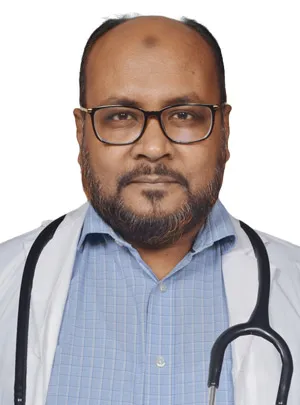
Dr. Md. Shaheen Ferdous

Prof. Dr. Kazi Manzur Kader
Dr. Md. Shariful Islam Johnny
Wound Healing and Scar Care
In the first days and weeks after surgery, the surgical wound needs basic protection: keep it clean and dry as instructed, follow the dressing routine your team explained, and avoid disturbing any stitches, staples, or drains that are in place. How long a wound takes to close varies from person to person and from one operation to another — ask your surgeon what to expect for your wound.
Redness that spreads, increasing pain, swelling, unusual discharge, a bad smell, or a fever can be signs of a wound infection. These deserve a prompt call to your doctor or the surgical team rather than a wait-and-see approach, because infections are easier to treat when they are caught early. Do not apply creams, powders, or home remedies to a healing wound unless your surgeon has approved them.
Once the wound has closed, the scar continues to change for many months — it may look red or raised at first and then fade and flatten over time. Protect the healing scar from sun exposure as advised, and ask your surgeon about any scar-care measures, such as massage or silicone products, that might suit your situation. If a scar becomes painful, itchy, or grows beyond the original wound, mention it at your next follow-up.
Getting Back to Daily Life
Returning to activity is gradual, and there is no single schedule that fits everyone — the safe pace depends on your operation, your healing, and your overall condition. Ask your surgeon which activities are safe now, which should wait, and what signs mean you should stop and rest. Gentle movement such as short walks is often part of recovery, but confirm with your team before starting anything new.
Many people are anxious about going back to work, and the honest answer is that it varies. A desk-based job may be manageable sooner than work that involves lifting, bending, or long standing, but the decision should be made with your surgeon and, where relevant, your employer. If you are unsure, ask your doctor for guidance about your particular job rather than guessing.
Driving, travelling, exercise, and household tasks each deserve their own question to your surgical team, because the restrictions depend on the operation. Rest is as much a part of recovery as activity: pace yourself, allow for tired days, and accept that progress is not always steady. If fatigue is severe or does not improve over time, bring it up with your doctor.
Eating, Sleeping, and Mood After Surgery
After surgery, your appetite may be smaller and your digestion different for a while. In general terms, eating regular, balanced meals with enough protein and fluids supports healing, but there is no single "cancer diet" — ask your doctor or a dietitian about what suits your situation, especially if your operation involved the digestive system. If eating is persistently difficult, your team can suggest adjustments or supplements.
Sleep is often disrupted after surgery — by pain, worry, hospital routines, or medicines. Keep a steady sleep routine where you can, manage pain so it does not keep you awake, and talk to your doctor if poor sleep persists, because ongoing sleep problems slow recovery and affect mood. Avoid starting sleep medicines on your own; ask your doctor what is appropriate.
Low mood, anxiety, or worry about recurrence are common after cancer surgery, and they deserve the same seriousness as physical symptoms. Talking openly with your family, and mentioning these feelings to your doctor, is a reasonable first step. Your team can advise whether counselling, a support group, or another form of help would suit you.
Warning Signs After Surgery
Some symptoms after surgery deserve a prompt call to your doctor or the surgical team rather than waiting for the next scheduled visit. These include a fever, uncontrolled pain, heavy or unusual bleeding, signs of wound infection, sudden swelling, chest pain, difficulty breathing, or persistent vomiting. If you are ever unsure whether a symptom is urgent, it is safer to ask than to assume.
Some warning signs develop more gradually: weight loss that continues without explanation, a new lump or swelling, a cough that does not settle, or fatigue that steadily worsens. Note when each symptom started and how it has changed, because that timeline helps the team assess what is happening. Bring these notes to your next visit, or call sooner if you are concerned.
Every operation carries its own specific risks, so ask your surgeon before discharge what warning signs apply to your particular surgery and who to contact at any hour. Save that contact information where your family can find it. Early reporting gives the team the best chance of handling problems before they grow.
Frequently Asked Questions
What does a cancer surgeon actually do?
A cancer surgeon operates to remove tumours or to take tissue samples for biopsy, and oversees wound care and recovery afterwards. The biopsy sample goes to a pathologist for confirmation of the diagnosis, and tumour removal may be one step within a wider plan that also involves medicines or radiation therapy, decided together with a team of specialists.
Why do I need follow-up visits after surgery?
Follow-up visits check how you are healing, watch for signs that the cancer has returned, and manage any lasting effects of surgery or treatment. They are a routine part of cancer care, not a sign that something is wrong. Ask your surgeon how often your own follow-up visits should happen and what each visit will involve.
When can I return to work after cancer surgery?
There is no fixed time — it varies with the type and extent of the surgery, how you are healing, and the demands of your job. Ask your surgeon for guidance about your particular case rather than assuming a standard timeline, and discuss any work restrictions openly so your recovery is not set back.
What should I eat after cancer surgery?
In general terms, regular balanced meals with enough protein and fluids support healing, but the right diet depends on your operation and your overall health — especially if your surgery involved the digestive system. Ask your doctor or a dietitian for advice suited to your situation rather than following a strict diet on your own.
Which symptoms after surgery need urgent attention?
Call your doctor promptly for a fever, uncontrolled pain, heavy or unusual bleeding, wound-infection signs, sudden swelling, chest pain, difficulty breathing, or persistent vomiting. If you are unsure whether a symptom is urgent, it is safer to ask than to wait for the next appointment.
Can cancer come back after surgery?
Recurrence is one of the things follow-up visits are designed to watch for, and whether it is likely depends on the type and stage of the cancer and the completeness of the treatment plan. Ask your surgical team what monitoring is planned for your case and what symptoms you should report between visits.
Sponsor Space Available
Place your banner here to reach thousands of patients daily.
Grow Your Practice
Premium placement for hospitals & doctors.