Best Cancer Specialist in Sylhet - Book Appointment
What a Cancer Specialist (Oncologist) Does
A cancer specialist, also called an oncologist, is a doctor trained to evaluate suspected cancer, confirm a diagnosis, and plan and manage treatment for people of all ages. The oncologist's role begins with assessing warning signs such as lumps, persistent sores, or unexplained weight loss, and deciding which tests are needed to find out whether the problem is benign or malignant.
Oncology has three broad branches. A medical oncologist treats cancer with medicines, which may include chemotherapy and other drug-based approaches. A radiation oncologist uses radiation therapy to target tumours. A surgical oncologist performs operations to remove or biopsy tumours. Most patients start with diagnosis and staging — finding out exactly what kind of cancer is present and how far it has spread — before any treatment plan is made.
An oncologist rarely works alone. The care team may include a surgeon, a radiologist who reads imaging scans, a pathologist who examines biopsy samples under a microscope, and nurses who guide the patient through each step of treatment. The oncologist usually serves as the central point of contact, combining the team's findings into a single plan and keeping the patient's family doctor updated on important decisions.
When to Consult a Cancer Specialist in Sylhet
Consider seeing a cancer specialist if you notice warning signs such as an unexplained lump or swelling, a sore that does not heal, unusual bleeding or discharge, a cough or hoarseness that lasts for weeks, difficulty swallowing, changes in bowel or bladder habits, or weight loss without trying. Any of these symptoms deserves a medical opinion, because many of them have causes other than cancer, and only proper testing can tell the difference. For people living in Sylhet, a divisional city of the Sylhet division, the first step is the same as anywhere else: getting the symptom properly evaluated.
If you are unsure where to start, you can look through the doctors in Sylhet listed on this site, or begin with a medicine specialist in Sylhet, who can assess your symptoms and refer you onward if an oncology opinion is needed.
Ask your doctor whether the diagnostic tests you need can be done at the selected facility, because specialised imaging or biopsy analysis may require referral to a tertiary centre. Check the doctor listings on this page for currently listed cancer specialists; if none are listed, a medicine specialist or a general surgeon can be a reasonable first step toward a diagnosis. You can also ask who will coordinate your care if several specialists become involved.
How Cancer Care Works in Bangladesh
Cancer care usually follows a team-based path. It begins with diagnosis: a physical examination, imaging such as ultrasound, CT, or MRI, and a biopsy whose sample is examined by a pathologist. Once the diagnosis is confirmed, the cancer is staged to determine its extent, and a treatment plan is drawn up. Oncologists evaluate many types of cancer, including breast, cervical, lung, oral, and colorectal cancers, as well as lymphomas, and the exact type and stage always shape the plan.
The plan is typically shaped by a team of doctors working together. The oncologist brings together the opinions of the surgeon, radiologist, and pathologist, and nurses support the patient through treatment and follow-up. Good coordination matters: when the team shares reports and discusses the case together, decisions about surgery, medicines, or radiation therapy are made with the full picture in view, and the patient's family doctor stays informed along the way.
Treatment may involve surgery, medicines, radiation therapy, or a combination, and the plan is reviewed as treatment progresses. Confirm with the selected hospital whether the recommended treatment is available there, since some plans may require referral to a tertiary centre. After the main treatment ends, follow-up visits, monitoring for recurrence, and supportive care for managing symptoms remain important parts of long-term cancer care.
10 available specialists found
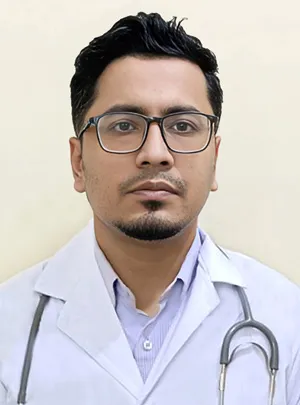
Dr. Shourov Biswas (Shuvro)
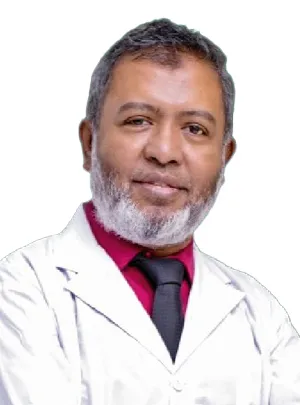
Prof. Dr. Mohammad Taimur Hossain Talukdar

Dr. Md. Estefsar Hussain

Dr. Sardar Baniul Ahamed
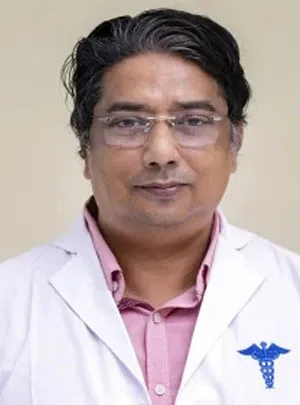
Dr. Md. Mizanur Rahman

Dr. Md. Ishtiaque Alam (Rasel)

Dr. Md. Arifur Rahman

Prof. Dr. M. Kamal Uddin
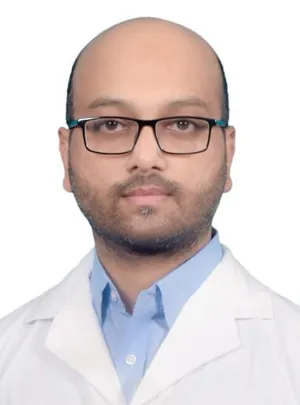
Dr. Md. Ruhul Amin Bhuiyan
Preparing for Your Visit
Good preparation helps the oncologist reach an accurate assessment in the first consultation. Bring all previous medical reports, prescriptions, imaging films or reports, biopsy slides or reports if you have them, and a complete list of the medicines you are currently taking. If another doctor referred you, carry the referral letter or prescription so the specialist can see what has been evaluated so far.
Write down your symptoms in the order they appeared, along with any family history of cancer, since both can guide the doctor's questions and choice of tests. Bringing a family member or a trusted companion is often helpful: they can take notes during the discussion and help you remember what was said once you return home.
Before the visit, confirm with the selected hospital whether the appointment requires any fasting or other preparation, and ask what the consultation process usually involves so you know what to expect. Keep your questions in a short written list so you do not forget them during the appointment.
Questions Worth Asking
During the consultation, consider asking what condition is suspected and which tests are needed to confirm or rule it out. Ask what each test involves, how long the results will take, and whether the tests can be done at the same facility or need to be done elsewhere.
If several specialists are involved in your care, ask who will coordinate the team and serve as your main point of contact. You can ask how the team members share information with one another and with your family doctor, and how decisions made on your behalf will be communicated to you.
If a diagnosis has already been made, you may ask what type and stage the cancer is, what treatment options exist, and which one the doctor recommends and why. It is reasonable to ask about expected side effects, how they will be managed, how long the treatment may last, and what follow-up schedule the doctor suggests.
Common Cancers and How They Are Diagnosed
Many different types of cancer are seen in oncology practice, and each type behaves differently. That is why an accurate diagnosis of the exact type and stage always comes before treatment decisions — it forms the foundation of the team-based treatment plan.
Diagnosis usually starts with a clinical examination and the patient's history. Depending on the findings, the doctor may order imaging such as an ultrasound, mammogram, CT scan, or MRI to locate the abnormality. Blood tests may support the evaluation, but imaging alone cannot prove cancer — a biopsy, in which a small tissue sample is taken and examined under a microscope by a pathologist, is generally the decisive step.
Once the diagnosis is confirmed, staging tests determine how far the disease has spread, which shapes the treatment plan. Ask your doctor whether the required diagnostic steps can be completed at the selected facility, since specialised pathology review or advanced imaging may require referral to a tertiary centre.
Treatment Approaches
Cancer treatment usually rests on three main approaches, often used in combination. Surgery removes the tumour when it is localised and operable. Medicines — including chemotherapy and other drug-based therapies — can treat cancer that has spread or reduce a tumour before or after surgery. Radiation therapy uses focused energy to destroy cancer cells in a specific area.
Which approach is chosen depends on the type of cancer, its stage, and the patient's overall health. The oncologist typically discusses the options with the patient and family, explains the likely benefits and side effects, and works with surgeons, radiologists, and other specialists to carry out the plan.
Confirm with the selected hospital whether the recommended treatment is available there, since some plans may require referral to a tertiary centre. Also ask your doctor what supportive and palliative care options are available for symptom relief, so that part of the plan is clear from the beginning.
Frequently Asked Questions
What should I bring to my first oncology appointment?
Bring all earlier prescriptions, medical reports, imaging films and reports, any biopsy reports or slides, and a full list of your current medicines. A written note of your symptoms, their timing, and any family history of cancer will also help the doctor assess your case.
Does a lump always mean cancer?
No. Many lumps turn out to be benign conditions such as cysts, lipomas, or infections. Only proper medical evaluation — an examination and, when needed, imaging and biopsy — can determine whether a lump is malignant, so it is worth getting checked rather than assuming either way.
Which tests are used to diagnose cancer?
Diagnosis typically combines a physical examination with imaging such as ultrasound, CT, or MRI, and is confirmed by a biopsy examined by a pathologist. Blood tests may provide supporting information. Your doctor will decide which tests are appropriate for your particular symptoms.
Who will be on my cancer care team?
The team often includes your oncologist, a surgeon, a radiologist, a pathologist, and nurses who support you through treatment, with your family doctor kept informed. Ask your doctor whether one person will coordinate the team and serve as your main contact, so you always know whom to call with questions.
How long does cancer treatment usually take?
The duration varies with the type and stage of cancer and the chosen treatment approach — some courses finish in a matter of weeks, while others continue over many months with planned follow-up. Your oncologist can give you a clearer estimate once the diagnosis and plan are established.
Can the side effects of cancer treatment be managed?
In many cases, yes. Doctors can use medicines and supportive measures to reduce nausea, pain, fatigue, and other side effects, and they adjust treatment when needed. Tell your doctor about every symptom you experience, because side effects that are reported early are usually easier to manage.
Sponsor Space Available
Place your banner here to reach thousands of patients daily.
Grow Your Practice
Premium placement for hospitals & doctors.