Best Cancer Specialist in Rangpur - Book Appointment
What a Cancer Specialist (Oncologist) Does
A cancer specialist, known as an oncologist, is a doctor trained to evaluate symptoms that could signal cancer, confirm the diagnosis, and plan and oversee treatment. The role often starts with listening to the patient's history and examining warning signs such as lumps, persistent sores, or unexplained weight loss, then deciding which investigations are needed.
Oncology has three main branches. Medical oncology uses medicines, including chemotherapy and other drug-based approaches, to treat cancer. Radiation oncology uses radiation therapy to destroy cancer cells in a targeted area. Surgical oncology involves operations to remove tumours or to take tissue for examination. Diagnosis and staging — identifying the exact cancer type and how far it has spread — usually come before treatment planning.
After treatment begins, the oncologist arranges follow-up, manages side effects, and organises supportive or palliative care for symptom relief. They also work alongside pathologists, radiologists, and surgeons so the plan reflects the patient's own condition rather than a one-size-fits-all approach.
When to Consult a Cancer Specialist in Rangpur
Consider an oncology opinion if you notice warning signs such as an unexplained lump or swelling, a sore that does not heal, unusual bleeding or discharge, a cough or hoarseness lasting weeks, difficulty swallowing, changes in bowel or bladder habits, or weight loss without trying. Many of these signs have non-cancer causes, and only proper testing can tell the difference, so they deserve a medical assessment.
Rangpur is a divisional city of the Rangpur division. If you are unsure where to begin, you can review the doctors in Rangpur listed on this site, or start with a medicine specialist in Rangpur, who can assess your symptoms and arrange an oncology referral when one is needed.
Ask your doctor whether the investigations you need — imaging, laboratory tests, or biopsy examination — can be completed at your chosen facility, since some steps may require referral to a tertiary centre. Check this page's doctor listings for currently listed cancer specialists; if none are listed, a medicine specialist or general surgeon can be a reasonable first step toward a diagnosis.
How Cancer Care Works in Bangladesh
Cancer care generally follows a sequence: initial evaluation of symptoms, diagnostic testing to confirm or rule out cancer, staging to establish the extent of disease, and then a treatment plan shaped by the diagnosis. Supportive care and follow-up continue after treatment ends.
The biopsy is the central diagnostic step. A biopsy means a small sample of tissue is taken from the abnormal area and examined under a microscope by a pathologist, whose report identifies whether cancer is present and of what type. Because imaging and blood tests alone cannot prove cancer, this microscopic examination is usually the decisive moment in reaching a diagnosis. Ask your doctor what type of biopsy is planned and what it involves.
Confirm with the selected hospital whether the recommended treatment is available there, since some plans may require referral to a tertiary centre. After the main course of treatment, regular follow-up visits, monitoring for recurrence, and care for ongoing symptoms remain important parts of long-term cancer care.
3 available specialists found
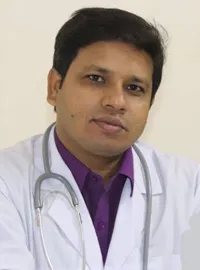
Dr. Md. Ershadul Haque

Dr. Md. Adnan Arifeen

Dr. Jahan Afroza Khanam Lucky
Preparing for Your Visit
Bring all previous medical records: prescriptions, investigation reports, imaging films or reports, biopsy reports or slides if you have them, and a complete list of medicines you currently take. If another doctor referred you, carry the referral letter so the specialist can see what has already been evaluated.
Note your symptoms in the order they appeared, along with any family history of cancer, since both help guide the doctor's questions and choice of tests. Bringing a family member or a trusted companion can be useful — they can take notes during the discussion and help you remember the details afterwards.
If a biopsy has been suggested, ask your doctor what type of biopsy is planned and what it involves, and confirm with the selected hospital whether the visit requires fasting or any other preparation. Keep a short written list of questions so you do not forget them during the appointment.
Questions Worth Asking
Ask what condition is suspected and which tests are needed to confirm or rule it out. Ask what each test involves and whether the tests can be done at the same facility or need to be done elsewhere. If a biopsy is recommended, ask your doctor what type of biopsy is planned and what it involves.
If cancer has been diagnosed, ask about the type and stage, the treatment options available, and which one the doctor recommends and why. It is reasonable to ask about expected side effects, how they will be managed, how long treatment may last, and what follow-up the doctor suggests.
Finally, ask where the treatment can be given. Confirm with the selected hospital whether the recommended treatment is available there, since some plans may require referral to a tertiary centre.
Common Cancers and How They Are Diagnosed
Oncologists evaluate many types of cancer, including breast, cervical, lung, oral, and colorectal cancers, as well as lymphomas. Each type behaves differently, which is why an accurate diagnosis of the exact type and stage always precedes treatment decisions.
Diagnosis usually begins with a clinical examination and a review of the patient's history, followed by imaging such as ultrasound, CT, or MRI to locate the abnormality. When imaging finds something suspicious, the next step is typically a biopsy: a small tissue sample is taken from the area and examined under a microscope by a pathologist. The pathologist's report on the cells is generally the decisive step that confirms whether cancer is present and identifies its type, because imaging alone cannot make the diagnosis.
After confirmation, staging tests establish how far the disease has spread, which shapes the treatment plan. Ask your doctor whether the diagnostic steps you need can be completed at your chosen facility, since some may require referral to a tertiary centre.
Treatment Approaches
Cancer treatment usually rests on three main approaches, often used in combination. Surgery removes the tumour when it is localised and operable. Medicines, including chemotherapy and other drug-based therapies, can treat cancer that has spread or reduce a tumour before or after surgery. Radiation therapy uses focused energy to destroy cancer cells in a specific area.
The chosen approach depends on the cancer type, its stage, and the patient's overall health. The oncologist usually discusses the options with the patient and family, explains likely benefits and side effects, and works with surgeons, radiologists, and other specialists to carry out the plan.
Confirm with the selected hospital whether the recommended treatment is available there, since some plans may require referral to a tertiary centre. Supportive and palliative care for symptom relief can be arranged alongside any of these approaches when needed.
Frequently Asked Questions
What happens during a biopsy?
A biopsy is a procedure in which a small sample of tissue is taken from an abnormal area so it can be examined under a microscope by a pathologist. The pathologist studies the cells and reports whether cancer is present and what type it is, which is why the biopsy is usually the decisive step in diagnosis. Ask your doctor what type of biopsy is planned and what it involves.
Does a lump always mean cancer?
No. Many lumps turn out to be benign, such as cysts, lipomas, or infections. Only proper medical evaluation — an examination and, when needed, imaging and biopsy — can determine whether a lump is malignant, so it is worth getting checked rather than assuming either way.
What should I bring to my first oncology appointment?
Bring earlier prescriptions, medical reports, imaging films and reports, any biopsy reports or slides, and a full list of your current medicines. A written note of your symptoms, their timing, and any family history of cancer will also help the doctor assess your case.
Which tests are used to diagnose cancer?
Diagnosis typically combines a physical examination with imaging such as ultrasound, CT, or MRI, and is confirmed by a biopsy whose sample is examined by a pathologist. Blood tests may provide supporting information. Your doctor will decide which tests are appropriate for your particular symptoms.
How long does cancer treatment usually take?
The duration varies with the cancer type, its stage, and the chosen treatment approach — some courses finish in weeks, while others continue over many months with planned follow-up. Your oncologist can give a clearer estimate once the diagnosis and plan are established.
Can the side effects of cancer treatment be managed?
In many cases, yes. Doctors use medicines and supportive measures to reduce nausea, pain, fatigue, and other side effects, and they adjust treatment when needed. Report every symptom you experience, because side effects noticed early are usually easier to manage.
Sponsor Space Available
Place your banner here to reach thousands of patients daily.
Grow Your Practice
Premium placement for hospitals & doctors.