Best Cancer Specialist in Narayanganj - Book Appointment
What a Cancer Specialist (Oncologist) Does
An oncologist is a doctor whose training centres on cancer: recognising its warning signs, confirming whether a suspicious finding is truly malignant, and planning treatment for patients of every age. When a lump, abnormal bleeding, or a persistent symptom raises concern, the oncologist judges which investigations will settle the question and interprets the results. This evaluative role matters because many alarming symptoms turn out to have non-cancerous causes, and unnecessary treatment is as much a risk as a missed diagnosis.
Oncology divides into three practical branches. Medical oncologists prescribe drug-based treatments such as chemotherapy; radiation oncologists direct radiotherapy at tumours; surgical oncologists operate to remove growths or to obtain tissue for testing. In practice a patient usually goes through diagnosis and staging first — identifying the cancer's exact type and extent — and only then is a treatment plan assembled.
Beyond prescribing treatment, oncologists manage its side effects, arrange supportive care for symptom relief, and schedule the long-term follow-up that catches recurrence early. They also collaborate with pathologists, radiologists, and surgeons so that the plan reflects the individual patient. When the proposed treatment is complex, an oncologist will often suggest — or welcome — a second opinion from a colleague before committing to a major course of therapy.
When to Consult a Cancer Specialist in Narayanganj
Warning signs worth a consultation include an unexplained lump or swelling, a wound that stays open, a persistent cough or hoarseness, trouble swallowing, shifts in bowel or bladder habits, unusual discharge, or weight loss you did not intend. None of these confirms cancer on its own, but each deserves an examination, since benign conditions can mimic serious ones and only tests can separate the two.
Narayanganj is an industrial city in the Dhaka division, and its residents can begin their search close to home by browsing the doctors in Narayanganj listed on this site, or by first visiting a medicine specialist in Narayanganj, who can evaluate the symptoms and point you toward an oncology consultation when it is warranted. Either route can produce the referral and the test results that an oncologist will want to review.
It is sensible to seek an oncology opinion early — before a treatment plan is locked in — and a second opinion is equally reasonable when a major step such as surgery, chemotherapy, or radiotherapy has been proposed, when the diagnosis is unclear, or when you simply want reassurance. To make that second consultation useful, gather your reports, imaging, biopsy findings, and a short written summary of the first doctor's advice beforehand. Ask your doctor whether the necessary tests can be completed locally, and check this page's listings for currently listed cancer specialists.
How Cancer Care Works in Bangladesh
Cancer care in Bangladesh works through linked levels of service. Upazila health complexes and district hospitals can recognise warning signs and arrange initial tests; larger hospitals offer broader diagnostic support; and tertiary centres carry the full set of oncology services. Patients move between these levels as their needs demand, usually starting from the facility nearest them.
The standard pathway runs through diagnosis, staging, and planning. After a physical examination and the patient's history, the doctor orders imaging — ultrasound, CT, or MRI — and arranges a biopsy so that a pathologist can examine tissue directly and give a definitive answer. Staging then establishes how far the disease has spread, and the treatment plan — surgery, drug therapy, radiotherapy, or a combination — is typically settled by a team of doctors working together.
Patients may ask for a second opinion at any point in this pathway, and many treatment teams treat it as a normal part of careful medicine rather than a criticism. Whatever route you take, confirm with the selected hospital whether the recommended treatment is available there or whether referral to a tertiary centre may be needed. After treatment finishes, scheduled follow-up visits remain the main tool for spotting recurrence early and managing lingering effects.
3 available specialists found
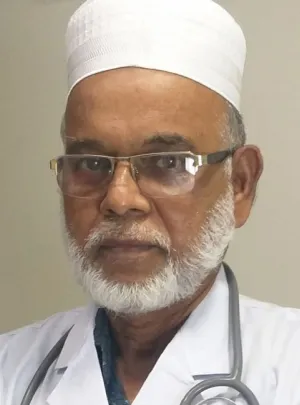
Prof. Dr. Md. Kazim Uddin

Dr. Md. Arifur Rahman

Dr. A.T.M. Kamrul Hasan
Preparing for Your Visit
An oncologist reads your history before reading your future, so bring every earlier prescription, medical report, imaging film and report, biopsy report or slide set, and a complete list of the medicines you take now. If another doctor sent you, carry that referral note or prescription so the specialist can see what has already been checked.
Note down when each symptom first appeared and how it has changed, along with any cancers in your close family — both shape the doctor's thinking and the tests chosen. A companion at the visit can record the discussion and remind you of details later, which matters when the conversation covers staging, treatment options, and side effects.
If the visit is for a second opinion, arrive with copies — not only originals — of your key reports, plus a one-page summary of the first doctor's diagnosis and proposed plan, so the second doctor can judge it on its own evidence. Beforehand, ask the selected hospital what the consultation involves and whether any fasting or other preparation is required, and keep your own questions written down.
Questions Worth Asking
Start by asking what condition the doctor suspects and which tests would confirm or exclude it — and for each test, what it involves, when the result arrives, and whether it can be done at the same facility.
If cancer has been diagnosed, ask its type and stage, what treatments are possible, which the doctor recommends and why, and what side effects to expect and how they will be handled. For a second opinion, the sharpest questions are direct: do you agree with the diagnosis and the staging, would you propose anything different, and are there reasonable alternatives the first doctor did not mention.
Finish by asking where the treatment would actually take place. Confirm with the selected hospital whether it can deliver the recommended therapy, and ask the doctor about the expected timeline, how progress will be measured, and what the follow-up schedule looks like afterwards.
Common Cancers and How They Are Diagnosed
The cancers that oncologists in Bangladesh encounter most often include those of the breast, cervix, lung, mouth, and bowel, alongside lymphomas and several rarer types. Each type grows, spreads, and responds to treatment differently, so pinning down the exact diagnosis and stage always comes before any treatment decision.
Diagnosis opens with examination and history, then imaging — ultrasound, mammography, CT, or MRI — to locate the abnormality. Blood tests can add supporting clues, but imaging alone cannot prove cancer; a biopsy, where a small tissue sample is taken and studied by a pathologist, is the step that makes the diagnosis certain.
Staging investigations then map the extent of the disease, and that map shapes the treatment plan. Ask your doctor whether every diagnostic step can be completed locally, since specialised pathology review or advanced imaging may require referral to a tertiary centre.
Treatment Approaches
Cancer treatment is built from three main approaches, frequently combined. Surgery removes localised tumours; drug-based treatment, including chemotherapy, addresses cancer that has spread or shrinks a tumour before or after an operation; radiotherapy destroys cancer cells in a targeted area with focused energy.
The choice turns on the cancer's type and stage and the patient's general health, and the oncologist usually lays out the options, their likely benefits, and their side effects before the plan is agreed with the patient and family. A second opinion on the chosen approach is common practice for major plans, and treatment teams generally expect it.
Not every facility offers every approach, so confirm with the selected hospital whether the recommended treatment is available there. Where it is not, referral to a tertiary centre may be needed, while supportive and palliative care for symptom relief is arranged at many levels of the system.
Frequently Asked Questions
When is a second oncology opinion a good idea?
A second opinion is reasonable before starting any major treatment — surgery, chemotherapy, or radiotherapy — when the diagnosis or staging is uncertain, when two doctors' recommendations differ, or when you simply want confidence in the plan. It is a standard part of cancer medicine, and most oncologists accept and even encourage it.
What should I bring to a second-opinion consultation?
Bring copies of all reports, prescriptions, imaging, and biopsy findings, plus a written summary of the first doctor's diagnosis, staging, and proposed treatment. The second oncologist needs the original evidence — not just the earlier conclusion — to form an independent view.
Can a biopsy spread the cancer?
This is a common worry, but standard biopsy techniques are designed to be safe, and the risk of spreading cancer through a properly performed biopsy is considered extremely small. Without the tissue sample, the doctor cannot confirm the diagnosis or choose the right treatment, so avoiding the biopsy usually carries the far greater risk.
What does staging tell the doctor?
Staging describes how large the cancer is and how far it has spread, and it is the main factor in choosing treatment and estimating its likely course. Accurate staging sometimes requires additional scans or tests after the initial biopsy, so it may take more than one visit to complete.
Can I continue my regular medicines during cancer treatment?
Tell the oncologist about every medicine and supplement you take, including those for blood pressure, diabetes, or other conditions. Some medicines interact with cancer treatments or with the procedures around them, and the doctor may adjust doses or timing — never stop or change them on your own.
How often will I need follow-up after treatment ends?
The schedule depends on the cancer type, its stage, and the treatment received, but follow-up usually begins at short intervals and lengthens over time as the risk of recurrence falls. Keep every appointment and report any new symptom promptly, since problems found early are easier to treat.
Sponsor Space Available
Place your banner here to reach thousands of patients daily.
Grow Your Practice
Premium placement for hospitals & doctors.