Best Cancer Specialist in Khulna - Book Appointment
What a Cancer Specialist (Oncologist) Does
A cancer specialist, also called an oncologist, is a doctor who diagnoses cancer and plans treatment for it. When scans, biopsy reports, or unexplained symptoms raise the possibility of cancer, the oncologist reviews the test results, decides the type and extent of the disease, and explains which treatment options are appropriate. Treatment plans may involve chemotherapy, hormone therapy, targeted therapy, immunotherapy, surgery, or radiotherapy, often in combination.
Oncologists also monitor how a patient responds to treatment and adjust the plan when needed. Follow-up visits, blood tests, and repeat scans are part of ongoing care, along with attention to side effects, pain management, and nutrition. The oncologist usually works as part of a team with surgeons, radiologists, pathologists, and other specialists so that diagnosis, treatment, and supportive care stay coordinated.
If test results confirm cancer or strongly suggest it, an oncologist is the right specialist to consult before starting any treatment. Early referral helps the patient get an accurate diagnosis and a clear plan instead of fragmented advice. If no oncologist is currently listed on this page, check the doctors listed in Khulna or start with a medicine specialist in Khulna, who can review the reports and refer you to the right cancer specialist.
When to Consult a Cancer Specialist in Khulna
Consider seeing a cancer specialist if a warning sign has not gone away or if test reports point toward cancer. Warning signs include an unusual lump or swelling that persists, a sore that does not heal, unexplained weight loss, bleeding that is not normal, a persistent cough or change in voice, difficulty swallowing, or a change in bowel or bladder habits. Any one of these lasting more than a few weeks deserves medical attention.
You should also consult an oncologist if a biopsy, FNAC, mammogram, or CT scan has reported findings that suggest cancer, or if a doctor has already advised referral. Patients already on treatment should see their oncologist regularly for scheduled follow-ups, to report new symptoms or side effects, and before changing or stopping any medication. People with a strong family history of cancer can ask about appropriate screening for their age and risk level.
Khulna is a divisional city of the southwest region. Starting the diagnostic process in Khulna can save time before any onward referral — ask your doctor what is appropriate for your case. Check the doctor listings on this page for currently listed cancer specialists, or consult the doctors in Khulna directory and a medicine specialist in Khulna as a first step.
How Cancer Care Works in Bangladesh
Cancer care in Bangladesh works in tiers. The first tier is consultation and diagnosis — a doctor examines you, reviews your reports, and orders further tests such as biopsy, imaging, or blood work to confirm the diagnosis. Ask your doctor which of these steps can be done locally.
The second tier is treatment, which often requires facilities that can deliver chemotherapy, radiotherapy, or complex cancer surgery under specialist supervision. Some treatment steps may be arranged locally while others may require referral to a tertiary centre. Ask your doctor whether the proposed treatment can be managed in Khulna or whether it needs to be done elsewhere.
The third tier is long-term follow-up and supportive care, which usually continues at the hospital or clinic where treatment began. This includes scheduled reviews, scans to check for recurrence, management of treatment side effects, and palliative or pain care when needed. Because some cases may require referral to a tertiary centre for certain treatment steps, confirm with the selected hospital whether all parts of the treatment plan can be completed there before you commit to travel or a treatment schedule.
10 available specialists found

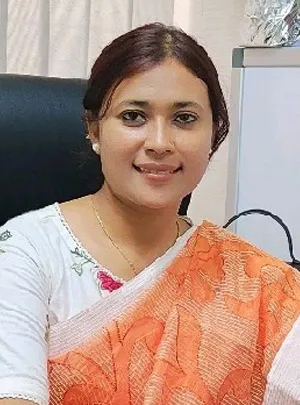
Dr. Shabnam Sultana

Dr. S. M. Sakib Kabir
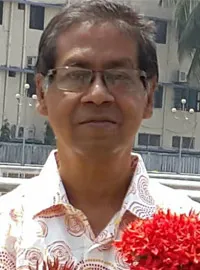
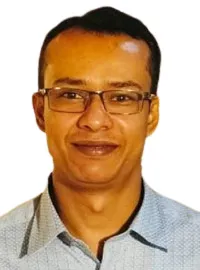
Dr. Altaf Hossain (Riad)

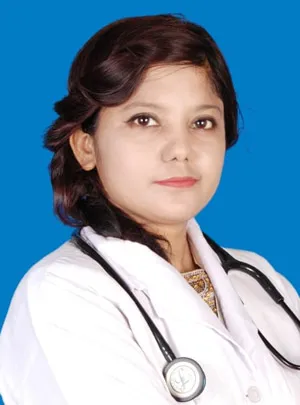
Dr. Sumona Das
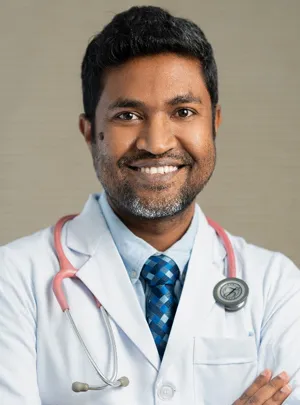
Dr. Md. Arif Hossain

Dr. Soma Banerjee

Dr. Saiful Alam
Preparing for Your Visit
Bring every report connected to your condition: biopsy or FNAC results, imaging scans with the films or CDs, blood test reports, previous prescriptions, and any referral letter from another doctor. Organize them in date order so the specialist can follow the sequence of events. If you have had surgery, bring the operation notes and histopathology report.
Write down your symptoms in your own words — when each one started, what makes it worse, and how it has changed over time. Note any family history of cancer, including which relative had it and at what age. If you are already on treatment elsewhere, bring the full treatment record so the oncologist can see what has been given and how you responded.
Arrive with a list of the medicines you currently take, including their doses, and mention any allergies. Prepare your most important questions in advance, and consider bringing a family member who can listen and take notes — consultations can carry a lot of information, and a second person helps you remember the key points.
Questions Worth Asking
Ask the oncologist what the diagnosis is in plain terms and what stage the cancer is at. Request an explanation of what the stage means for treatment choices and outlook. If any report is unclear to you, ask the doctor to walk through it line by line rather than leaving with unanswered doubts.
Ask which treatment options exist for your situation, what each one aims to achieve, and what side effects each commonly causes. Confirm with the selected hospital whether the proposed treatment can be delivered there, or whether some steps may require referral to a tertiary centre. Clarify the expected duration of treatment, how progress will be monitored, and what signs should prompt an urgent visit.
Do not hesitate to ask about cost and scheduling before treatment begins. Ask whether the treatment plan can be adjusted if you respond well or poorly, and what the follow-up schedule will look like after treatment ends. A clear answer to each of these questions helps you plan both medically and practically.
Common Cancers and How They Are Diagnosed
Some of the cancers commonly seen in Bangladesh include lung cancer, breast cancer, cervical cancer, cancers of the mouth and throat, stomach and oesophageal cancers, and blood cancers. Each presents differently: a breast lump, a non-healing mouth ulcer, persistent bleeding, or unexplained anaemia can each be the first clue, which is why the specific symptoms and the specialist's examination guide the choice of tests.
Diagnosis usually begins with imaging such as ultrasound, mammogram, or CT scan to locate and measure the abnormality. A tissue sample is then taken through biopsy or FNAC, and a pathologist examines it to confirm whether it is cancer and identify its type. Blood tests, including tumour markers where appropriate, add further information, and additional scans may be ordered to check whether the disease has spread.
Staging brings these results together so the oncologist can choose the right treatment sequence. If you already have reports from another facility, carry the originals to the consultation — repeat testing is sometimes avoidable, and the oncologist can judge which results are recent enough to rely on. Ask your doctor whether any test needs to be repeated locally or at a tertiary centre.
Treatment Approaches
Treatment depends on the cancer type, its stage, and the patient's overall health. Surgery removes the tumour when the disease is localized; chemotherapy uses medicines that circulate through the body; radiotherapy targets the affected area with radiation; hormone therapy, targeted therapy, and immunotherapy are used for specific cancer types where they apply. Many patients receive a combination of these approaches in a planned sequence.
Ask your doctor which approach is recommended for your case and why the others were set aside. Confirm with the selected hospital whether it can provide each part of the proposed treatment, since some cases may require referral to a tertiary centre for certain steps such as radiotherapy. Understanding the sequence — what happens first, second, and after treatment — helps you prepare for the months ahead.
Supportive care runs alongside treatment: medicines for pain, nausea, or infection, nutritional guidance, and help with fatigue. Ask about the side effects you should expect, which ones need an urgent call, and what the plan is if the cancer does not respond to the first line of treatment. Clear communication with the treating team matters as much as the treatment itself.
Frequently Asked Questions
What are the early warning signs of cancer I should not ignore?
Do not ignore a lump or swelling that persists, a sore that fails to heal, unexplained weight loss, abnormal bleeding, a lasting cough or voice change, difficulty swallowing, or a change in bowel or bladder habits. A single symptom lasting more than a few weeks deserves a medical check — most turn out to have other causes, but only a doctor's evaluation can confirm that.
Which tests confirm whether it is really cancer?
A biopsy or FNAC examined by a pathologist is the definitive test in most cases. Imaging such as CT scan, mammogram, or ultrasound locates the abnormality and guides the biopsy, while blood tests add supporting information. If you already have reports, bring the originals — the oncologist will judge whether any test needs to be repeated.
Do I need to travel to Dhaka for cancer treatment?
Not necessarily. Consultation, many diagnostic steps, and parts of treatment can often be arranged in a divisional hub like Khulna. However, some treatment steps may require referral to a tertiary centre. Confirm with the selected hospital whether all parts of your treatment plan can be completed there before committing to a schedule.
What should I bring to my first oncology appointment?
Bring all biopsy and imaging reports with the films or CDs, previous prescriptions, operation notes if you had surgery, and a list of your current medicines. Write down your symptoms, their timeline, and any family history of cancer. A short written list of your main questions helps you cover everything in one visit.
How do I choose between the treatment options offered?
Ask the oncologist what each option aims to achieve, what side effects each commonly causes, how long each takes, and why one is recommended over the others for your stage and health. A second opinion is reasonable when the choice feels unclear — bring your full report set so the second doctor can give an informed view.
What happens after treatment ends?
After treatment, the oncologist sets a follow-up schedule with periodic reviews, blood tests, and scans to watch for recurrence and manage lasting side effects. Keep attending these reviews even if you feel well, and report any new symptom promptly rather than waiting for the next scheduled visit.
Sponsor Space Available
Place your banner here to reach thousands of patients daily.
Grow Your Practice
Premium placement for hospitals & doctors.