Best Cancer Specialist in Habiganj - Book Appointment
What a Cancer Specialist (Oncologist) Does
A cancer specialist — also called an oncologist — is a doctor who diagnoses and manages cancer and related conditions. The role typically begins where a suspicion of cancer first arises: evaluating warning signs, interpreting biopsy and imaging reports, and explaining what a diagnosis means for the patient and their family.
Once a diagnosis is confirmed, the oncologist helps plan treatment. Depending on the type and stage of the disease, this may involve medicines that target cancer cells (chemotherapy, hormonal therapy, or targeted therapy), radiation planning, or coordination with surgeons who remove tumours. In many cases, care combines more than one of these approaches, and the oncologist often acts as the physician who coordinates the overall plan.
Follow-up is a large part of oncology practice. After treatment begins, the specialist monitors response, manages side effects, and adjusts the plan as needed. Many cancers are also long-term conditions, so regular review visits, repeat tests, and attention to pain, nutrition, and overall wellbeing continue well beyond the first course of treatment.
Oncologists also help with prevention and early detection. For people with a family history of cancer or long-standing symptoms such as an unexplained lump, persistent cough, or unexplained weight loss, a consultation can clarify which screening tests or referrals are appropriate. Ask your doctor what is right for you — early guidance can help you take the right next step sooner.
When to Consult a Cancer Specialist in Habiganj
Consider seeing a cancer specialist if you notice a lump or swelling that does not go away, unusual bleeding, a sore that does not heal, difficulty swallowing, ongoing cough or hoarseness, persistent abdominal pain, or unexplained weight loss. None of these symptoms confirms cancer — most turn out to have other causes — but they are the classic warning signs that deserve medical evaluation rather than waiting.
Usually, the first step is a visit to your general doctor. A medicine specialist or a general surgeon can assess the symptom, order initial tests such as an ultrasound, endoscopy, or biopsy, and then refer you onward if the results raise concern. You can find general practitioners through the doctor listings in Habiganj and specialist physicians via the best medicine specialists in Habiganj on this site.
Some advanced oncology services may only be available at larger centres, so patients in Habiganj should plan for the possibility of travel. Confirm with the selected hospital whether the services you need are available locally, and ask your doctor whether your case may require referral to a tertiary centre.
Early consultation matters because many cancers respond better when found early. If a biopsy, CT scan, or blood test has already suggested cancer, an oncologist's review of the reports can help you understand the findings, confirm the stage, and map out a realistic treatment pathway before further time passes.
How Cancer Care Works in Bangladesh
Cancer care in Bangladesh follows a tiered pattern. Diagnosis typically starts at the district level, where doctors and diagnostic centres provide initial tests — blood work, ultrasound, X-ray, and sometimes biopsy collection. Confirming the exact type of cancer, however, usually requires specialised pathology and imaging facilities — ask your doctor whether these steps can be completed locally or may require referral to a tertiary centre.
Treatment options also vary by facility. Ask your doctor which parts of your treatment can be done closer to home and which may require referral to a tertiary centre — your doctor can map out a realistic plan for your specific situation.
A common pattern is that a local doctor identifies the concern, further diagnostic work is arranged at a larger centre, and a tertiary oncology unit takes charge of the treatment plan — often in consultation with the referring doctor back home. Ask your doctor how this would work for your specific situation so travel and timing can be planned.
Costs and logistics are real considerations. Treatment for cancer often involves repeated visits, so ask about the expected number of sessions, where each will take place, and what follow-up can be done closer to home. Check the doctor listings on this page for currently listed cancer specialists, and treat a general surgeon or medicine specialist as your first step if no oncologist is listed for Habiganj.
1 available specialists found
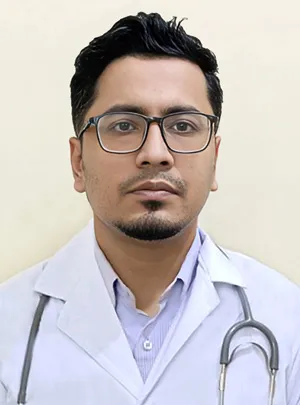
Dr. Shourov Biswas (Shuvro)
Preparing for Your Visit
Gather every medical report you have before the appointment: prescriptions, blood test results, ultrasound or X-ray reports, biopsy findings, and any discharge summaries from earlier treatment. Bring them in chronological order so the doctor can trace how the condition has evolved.
Write down your symptoms with dates — when each started, whether it has worsened, and what seems to affect it. Also list all medicines you currently take, including any long-term prescriptions, and note any family history of cancer, as this information shapes the doctor's assessment.
Prepare practical details too. Confirm with the selected hospital whether an appointment slot is available and whether you need to arrive fasting for blood tests. If you are travelling from a distant upazila, plan your journey and return trip in advance, since consultations can run long and follow-up tests are common.
Questions Worth Asking
Ask what the doctor suspects and which tests will confirm it. Useful questions include: what is the likely diagnosis, what stage is the disease if cancer is confirmed, and what do the test results actually show in plain terms?
Ask about treatment options: which treatments are recommended, what each involves, what side effects are common, and how long a full course takes. Also ask which parts of treatment can be done closer to home and which may require referral to a tertiary centre.
Ask about follow-up and costs: how often you will need review visits, which warning signs during treatment should prompt an urgent call, and an honest estimate of the expenses involved so the family can plan.
Common Cancers and How They Are Diagnosed
The cancers most often discussed in Bangladesh include cancers of the breast, cervix, lung, mouth and throat, stomach, colon, liver, and blood. Tobacco-related cancers are a particular concern, and cancers linked to infections — such as cervical and liver cancer — are also widely seen.
Diagnosis usually begins with a physical examination and basic tests, then moves to imaging such as ultrasound, CT scan, or mammography. The decisive step is most often a biopsy: a small tissue sample examined under a microscope to confirm whether cancer is present and identify its type.
Blood tests can support the diagnosis or track how treatment is working, but they rarely confirm cancer on their own. Staging — determining how far the disease has spread — typically combines imaging and pathology reports, and may require referral to a tertiary centre with full diagnostic facilities.
Treatment Approaches
Surgery removes tumours that are localised and accessible; a general surgeon or a specialised surgical oncologist performs it depending on the cancer type and site. Chemotherapy uses medicines to destroy cancer cells throughout the body and is commonly given in repeated cycles.
Radiation therapy uses targeted beams to treat specific areas and may require referral to a tertiary centre. Hormonal therapy and targeted therapy work against specific cancer features and are used for cancers such as certain breast cancers and blood cancers.
Most treatment plans combine approaches. An oncologist typically coordinates the sequence — for example, surgery followed by chemotherapy, or chemotherapy before surgery to shrink a tumour — and adjusts the plan based on how the patient responds. Palliative and supportive care, including pain management and nutritional support, runs alongside treatment at every stage.
Frequently Asked Questions
Does seeing a cancer specialist mean I have cancer?
Not necessarily. Oncologists also evaluate suspicious symptoms, review uncertain test results, advise on screening, and provide second opinions. A consultation is often a way to rule cancer out or to clarify the next diagnostic step.
Can cancer be treated in Habiganj, or will I need to travel?
Initial evaluation and some follow-up can often be handled closer to home. However, more specialised treatments may require referral to a tertiary centre. Ask your doctor which parts of your care can stay local and which may require travel.
What should I do if no oncologist is listed for Habiganj?
Check the doctor listings on this page for currently listed cancer specialists. If none is listed, see a medicine specialist or a general surgeon as your first step — they can evaluate your symptoms, order initial tests, and arrange a referral to oncology services elsewhere.
How is cancer confirmed before treatment starts?
A biopsy with microscopic examination of tissue is the standard confirmation for most solid cancers, supported by imaging for staging. Blood tests and tumour markers help but do not replace tissue diagnosis. Ask your doctor which tests apply to your situation.
What does a first oncology visit cost, and how should I budget for treatment?
Consultation fees vary by doctor and hospital, so confirm with the selected hospital before your visit. Full treatment involves repeated visits, tests, and medicines, so ask the doctor for an estimated plan and cost outline early — knowing the expected number of sessions helps families prepare.
How often will I need follow-up after treatment?
Follow-up schedules depend on the cancer type and treatment given — commonly every few months at first, then less often. Your oncologist will set the schedule and tell you which warning signs between visits need prompt attention.
Sponsor Space Available
Place your banner here to reach thousands of patients daily.
Grow Your Practice
Premium placement for hospitals & doctors.