Best Blood Specialist in Cumilla - Book Appointment
What Does a Blood Specialist Do?
A blood specialist — a hematologist — diagnoses and treats disorders of the blood, bone marrow, and lymph nodes. The work starts in the laboratory: complete blood counts, peripheral blood films, reticulocyte counts, iron studies, vitamin B12 and folate levels, hemoglobin electrophoresis, and clotting profiles. When these suggest deeper disease, the hematologist arranges bone marrow aspiration or biopsy, flow cytometry, and cytogenetic testing at a tertiary center. In daily practice this covers nutritional anemias — iron, B12, folate deficiency — alongside thalassemia, which Bangladesh carries at high rates; platelet disorders like ITP; hemophilia and other bleeding disorders; venous clotting; and blood cancers including leukemia, lymphoma, and multiple myeloma. For thalassemia families the hematologist also prevents disease — screening carriers, counseling couples before pregnancy, and ensuring transfusion-dependent children receive safe blood with proper iron chelation. Because many blood disorders run a chronic course, the hematologist becomes a long-term manager of the condition, not a one-time consultant.
When Should You Consult a Blood Specialist in Cumilla?
Cumilla sits on the Dhaka–Chittagong highway, roughly midway between the country's two tertiary cities — a position that gives patients genuine choice about where to seek advanced care. The city has solid district-level hospitals and diagnostic laboratories for everyday medicine. Consult a hematologist for anemia that does not improve on routine iron therapy, persistent fatigue with pallor and breathlessness, unexplained bleeding from gums or nose, easy bruising, glands that stay swollen for weeks, bone pain, or blood reports showing critically low hemoglobin, platelets, or abnormal white cells. Children needing repeated transfusions and families with known thalassemia should seek specialist input early. Ask your doctor whether the initial investigations — CBC, iron studies, B12, hemoglobin electrophoresis — can be completed locally, and confirm with the selected hospital before planning treatment. Suspected blood cancers, marrow failure, and complex cases are usually referred onward — Dhaka and Chittagong are both reachable by direct highway, and your doctor can advise which suits your condition. You can browse doctors in Cumilla and see medicine specialists in Cumilla to begin.
How Blood Disorder Care Works in Bangladesh
Diagnosis follows an escalating ladder everywhere in the country. The base rung — CBC with red cell indices, peripheral blood film, reticulocyte count, iron studies, B12 and folate — is available at district laboratories and settles most nutritional anemias. Hemoglobin electrophoresis, the key test for thalassemia, is now offered well beyond Dhaka. When counts collapse across lineages, blasts appear, or nodes enlarge suspiciously, the ladder rises to bone marrow aspiration and biopsy, flow cytometry, and cytogenetics at tertiary hospitals. Treatment mirrors the diagnosis: replace what is missing in deficiency states; transfuse on schedule with chelation in thalassemia major; calm the immune system in ITP and autoimmune hemolysis; anticoagulate in thrombotic disease; and deliver protocol chemotherapy for blood cancers in hematology-oncology units with transfusion backup. Transplantation is confined to a few Dhaka centers. The working rule for Cumilla patients: work up locally, treat the treatable locally, and travel for marrow procedures, transfusion programs, and cancer therapy.
1 available specialists found
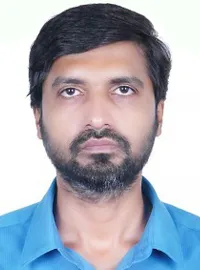
Dr. Saqi Md. Abdul Baqi
Preparing for Your Hematology Visit
Assemble your records in one folder: all CBC reports newest-last, iron/B12/folate results, hemoglobin electrophoresis, any coagulation studies, and transfusion history with dates. List every medicine and supplement — iron, vitamins, blood thinners, herbal products. Write down your symptom story with dates: when fatigue began, bleeding episodes, fevers, weight loss, swellings. For children, add growth history and family details — thalassemia, jaundice, early deaths in relatives. If your doctor refers you from Cumilla to Dhaka or Chittagong, take originals; the highway journey is straightforward, but a wasted trip for missing paperwork is not. Ask at booking whether fasting is needed — usually it is not.
Questions Worth Asking Your Blood Specialist
Useful questions include: What is my exact diagnosis and which test confirmed it? Is my anemia from deficiency, inheritance, marrow failure, or malignancy? Do I need hemoglobin electrophoresis, and should my spouse be tested? Is a bone marrow examination required, and where is it performed? If transfusions are needed, where is safe blood arranged and how is iron overload prevented? For suspected blood cancer: where am I referred — Dhaka or Chittagong — what is the treatment sequence, and how long does it take? For clotting issues: how long on blood thinners and what monitoring? And always: what is the follow-up schedule and which warning signs mean coming back early?
Common Blood Disorders and How They Are Diagnosed
Iron deficiency anemia dominates — small pale cells, low ferritin — from menstrual loss, pregnancy, gut bleeding, or diet; it resolves with iron plus cause-treatment. B12 deficiency shows large cells with fatigue and tingling. Thalassemia trait: small cells, normal-to-high count, confirmed by electrophoresis, no treatment needed but essential for family planning. Thalassemia major: severe infantile anemia, lifelong transfusion. Aplastic anemia: pancytopenia, urgent marrow referral. ITP: isolated low platelets with bruising and mucosal bleeding. Hemophilia: factor deficiency, joint bleeds, mostly males. Acute leukemia: abrupt fatigue, bleeding, infections; chronic leukemia: often incidental finding. Hodgkin lymphoma: painless enlarging nodes, sometimes with fever and sweats; non-Hodgkin: more varied. Myeloma: older adults, bone pain, anemia, kidney effects. The hematologist matches each presentation to its confirmatory test rather than ordering everything at once.
Treatment Approaches
Deficiency anemias: oral or injectable iron, B12, folate — counts recover in weeks while the underlying cause (bleeding source, diet, absorption) is corrected. Thalassemia major: scheduled transfusions maintaining hemoglobin, with chelation (oral or infused) removing transfusional iron from heart and liver — a lifelong tertiary-center program. ITP: steroids first, then agents like thrombopoietin mimetics or rituximab-class drugs where available. Autoimmune hemolytic anemia: steroids and immune suppression. Aplastic anemia: immunosuppressive therapy or transplant referral. Acute leukemias: intensive multi-phase chemotherapy in specialized units; chronic myeloid leukemia: daily oral targeted therapy with excellent control; lymphomas: chemo-immunotherapy, many subtypes highly curable; myeloma: combination regimens with transplant in eligible patients. Clotting disorders: heparin/warfarin or newer oral agents with monitoring. Supportive care — screened blood, infection control — underpins all of it. Ask where each element is delivered and what it costs.
Frequently Asked Questions
Should I go to Dhaka or Chittagong from Cumilla for blood treatment?
Either is reachable by direct highway, and both have tertiary hematology services. Ask your doctor which suits your condition — the choice often depends on the specific diagnosis, the treating team, and practical matters like where you can stay during treatment.
Can anemia be fully worked up in Cumilla?
Ask your doctor whether the complete basic workup — CBC, iron studies, B12/folate, hemoglobin electrophoresis — can be done locally, and confirm with the selected hospital before planning treatment. Routine anemia investigation is well within district-level capacity.
How is thalassemia carrier status confirmed?
By hemoglobin electrophoresis (or HPLC) — a routine blood test showing raised HbA2. If you are a carrier, your partner must be tested before pregnancy. Ask your doctor where screening is available; premarital screening is the single most effective prevention.
When should a child with anemia see a specialist?
When anemia is severe, needs transfusion, does not respond to iron, or comes with enlarged spleen, jaundice, or poor growth. Early hematology review distinguishes nutritional causes from thalassemia and marrow disorders — ask your pediatrician for referral rather than repeating iron courses.
What does a bone marrow test involve?
A needle sample of marrow, usually from the hip bone, under local anesthesia — brief pressure, minimal pain, about 20 minutes. It diagnoses leukemia, aplastic anemia, myeloma, and unexplained cytopenias, and is done at tertiary hospitals with hematopathology support.
Is chemotherapy for blood cancer available outside Dhaka?
Increasingly, yes — divisional tertiary centers now treat many leukemias and lymphomas. Your hematologist will judge whether your regimen can run closer to home or needs a Dhaka unit. Ask directly about the treatment location when the diagnosis is made.
Sponsor Space Available
Place your banner here to reach thousands of patients daily.
Grow Your Practice
Premium placement for hospitals & doctors.