Best Blood Specialist in Chattogram - Book Appointment
What Does a Blood Specialist Do?
A blood specialist — a hematologist — is the physician for diseases of blood, bone marrow, and lymph nodes. The field covers nutritional anemias that crowd every outpatient department — iron, B12, folate deficiency — and the inherited disorders led by thalassemia, which runs high in Bangladesh; platelet and white cell disorders; hemophilia and von Willebrand disease; thrombosis and clotting disorders; and the malignant side: acute and chronic leukemias, Hodgkin and non-Hodgkin lymphomas, multiple myeloma, and myeloproliferative neoplasms. The hematologist combines laboratory interpretation — CBC, film, iron studies, electrophoresis, marrow, flow cytometry — with long-term disease management, because many blood disorders are chronic companions rather than one-time illnesses. In thalassemia-prevalent Bangladesh, hematologists also carry a public-health role: carrier screening, premarital counseling, and keeping transfusion-dependent patients on safe schedules with vigilant iron chelation.
When Should You Consult a Blood Specialist in Chattogram?
Chattogram is Bangladesh's second city and premier port — a tertiary center where specialist care runs deeper than in most districts. Chittagong Medical College Hospital anchors hematology services for the division, drawing patients from Cox's Bazar, Cumilla, Feni, and the hill tracts. Consult a hematologist for anemia that resists standard treatment, unexplained bleeding or bruising, persistent glandular swelling, night sweats with weight loss, bone pains, or blood counts showing severe deficiency or abnormal cells. Children needing regular transfusions, adults with newly found low platelets or white cells, and couples concerned about thalassemia should not delay. Ask your doctor whether the full initial workup — including hemoglobin electrophoresis and, where indicated, early marrow study — can be arranged locally, and confirm with the selected hospital before planning treatment. As a tertiary city, Chattogram manages a wider range of hematologic disease than most districts — ask your doctor which treatments are available locally and which still need Dhaka. You can browse doctors in Chattogram and see medicine specialists in Chattogram to begin.
How Blood Disorder Care Works in Bangladesh
The national pattern is a stepped system, and Chattogram sits high on it. Detection starts with symptoms or a routine blood count. District-level confirmation — CBC with indices, peripheral film, reticulocyte count, iron/B12/folate, electrophoresis — resolves most anemias and identifies carriers. Tertiary-level diagnosis adds bone marrow aspiration and trephine biopsy, flow cytometry, cytogenetics, FISH, and molecular studies, with hematopathologists rendering the verdict. Treatment then follows disease biology: replenish deficiencies; transfuse plus chelate in thalassemia major; immunosuppress in aplastic anemia and ITP; anticoagulate in thrombosis; and give protocol chemotherapy — induction through maintenance — for blood cancers in dedicated hematology-oncology wards with transfusion and neutropenic support. Allogeneic transplantation stays in a few Dhaka centers, though autologous transplant capacity is growing. For Chattogram patients the practical meaning: far more can be completed in-city than elsewhere, but marrow transplant and the rarest conditions still travel to Dhaka.
2 available specialists found

Prof. Brig. Gen. Dr. Mizanur Rahman
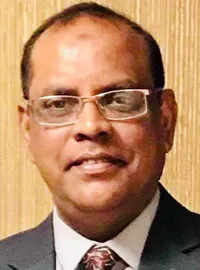
Prof. Dr. Mohammad Golam Rabbani
Preparing for Your Hematology Visit
Bring the complete record: CBCs in date order, iron and vitamin studies, electrophoresis, coagulation profiles, marrow reports if any exist, and transfusion logs. Document medicines — iron, B12 injections, anticoagulants, antiplatelet drugs, herbal preparations — with doses. Chronicle symptoms: onset of fatigue, each bleed, fevers, weight trajectory, lumps, bone pain. For children, include perinatal history, growth charts, developmental milestones, and consanguinity or family history of blood disease. If you are traveling within Chattogram division — from Cox's Bazar or the hill tracts — originals matter more than summaries for the receiving team. Confirm fasting requirements when booking; most hematology reviews do not need it.
Questions Worth Asking Your Blood Specialist
Essential questions: What is my precise diagnosis and the evidence for it? Microcytic or macrocytic — and what does that classification change? Have I had hemoglobin electrophoresis, and does my partner need it? Is bone marrow examination indicated, and will flow cytometry be included? For chronic transfusion: where is screened blood secured, and how is cardiac and hepatic iron monitored? For suspected malignancy: what is the subtype, the stage, the protocol, and where is each phase delivered? For ITP or hemophilia: what is the bleeding plan for surgery or dental work? For thrombosis: duration of anticoagulation and monitoring method? Close with logistics: follow-up cadence, repeat-test list, and emergency thresholds.
Common Blood Disorders and How They Are Diagnosed
Iron deficiency anemia — microcytic, hypochromic, low ferritin — from blood loss or demand; corrects with iron and cause-treatment. B12/folate deficiency — macrocytic, with glossitis and neuropathy. Thalassemia trait — microcytosis with normal/high RBC count, electrophoresis-positive, clinically silent but reproductively significant. Thalassemia major and intermedia — childhood transfusion dependence of varying degree. Sickle/beta-thalassemia compound states occur. Aplastic anemia — hypocellular marrow, pancytopenia — urgent. ITP — isolated thrombocytopenia with bleeding; TTP/HUS — microangiopathic emergencies. Hemophilia A/B and von Willebrand disease — factor assays confirm. Acute myeloid and lymphoblastic leukemias — marrow blasts, urgent protocol care. CML — the Philadelphia chromosome, oral targeted therapy. CLL — often indolent, watchful waiting. Hodgkin lymphoma — Reed-Sternberg cells on node biopsy, highly curable. Non-Hodgkin lymphomas — diverse, subtype-directed therapy. Myeloma — marrow plasma cells, lytic bone lesions, monoclonal protein. Myeloproliferative neoplasms — JAK2-mutated, thrombotic risk. The hematologist sequences testing from simple to sophisticated.
Treatment Approaches
Replacement corrects deficiencies — iron orally or intravenously, B12 by injection, folate orally — with hemoglobin recovery over weeks. Thalassemia major: hypertransfusion regimens plus chelation (deferasirox, deferiprone, desferrioxamine as available), with cardiac T2* and liver monitoring where offered. Sickle cell: hydroxyurea, transfusion, pain management. ITP: corticosteroids, IVIG for rapid rises, thrombopoietin receptor agonists, rituximab, splenectomy in selected cases. Hemophilia: factor replacement, now with extended half-life products and non-factor therapies where accessible. Aplastic anemia: immunosuppression (ATG/cyclosporine) or allogeneic transplant in the young. Acute leukemias: multi-agent induction, consolidation, maintenance, CNS prophylaxis — in dedicated units. CML: lifelong tyrosine kinase inhibitors. Lymphomas: chemo-immunotherapy (ABVD, R-CHOP and successors) with strong cure fractions. Myeloma: proteasome inhibitor and immunomodulatory combinations, transplant-eligible patients considered. Thrombosis: anticoagulation with monitoring. Throughout, ask which components your center provides and which require Dhaka.
Frequently Asked Questions
What makes Chattogram better placed for blood disorders?
As a tertiary city, Chattogram offers a wider range of hematology services than most districts — ask your doctor which diagnostics and treatments are available locally and which still need Dhaka. Marrow studies, flow cytometry, and chemotherapy are more accessible here, but transplantation remains Dhaka-based.
How is thalassemia carrier status confirmed?
By hemoglobin electrophoresis (or HPLC) — a routine blood test showing raised HbA2. If you are a carrier, your partner must be tested before pregnancy. Ask your doctor where screening is available; premarital screening is the single most effective prevention.
My child bruises easily — when is it serious?
Frequent large bruises, nosebleeds lasting over 10 minutes, bleeding gums, or tiny red dots (petechiae) warrant a CBC and hematology review — ITP, leukemia, and platelet function disorders all start this way. Do not wait for it to worsen; ask your pediatrician for a blood count first.
Can adults develop leukemia suddenly?
Acute leukemias can present over days to weeks with fatigue, bleeding, and infections. Any combination of falling counts with abnormal cells needs urgent hematology assessment — early diagnosis directly affects outcomes. Do not delay if your doctor flags blasts on a blood film.
Is long-term blood thinner use safe?
When monitored properly — INR for warfarin, renal checks for newer agents — anticoagulation is safe and prevents strokes and recurrent clots. The risk is bleeding, so report unusual bruising or bleeding promptly. Ask your doctor how often monitoring is needed and what interacts with your dose.
Do I need to avoid anything with low platelets?
Avoid NSAID painkillers, alcohol excess, and contact sports; tell every doctor and dentist about the low count before procedures. Ask your hematologist for your personal safe threshold — advice differs between ITP, marrow disorders, and treatment-related drops.
Sponsor Space Available
Place your banner here to reach thousands of patients daily.
Grow Your Practice
Premium placement for hospitals & doctors.