Best Biliary & Pancreatic Surgeon in Narayanganj - Book Appointment
What Is Biliary and Pancreatic Surgery?
Biliary and pancreatic surgery — HPB (hepato-pancreato-biliary) surgery — treats the liver, gallbladder, bile ducts, and pancreas as one continuous digestive system rather than four separate organs. The liver filters the blood and makes bile; the gallbladder stores bile between meals; the bile ducts carry it to the small intestine; the pancreas adds digestive enzymes and produces insulin. A blockage or inflammation anywhere in this chain produces the same familiar signals — pain in the upper abdomen, jaundice, dark urine with pale stools, itching, nausea after rich food, unexplained weight loss, or fever when a bile duct becomes infected. HPB surgeons manage gallstones and gallbladder inflammation, stones stuck in the common bile duct, bile duct strictures and injuries, liver cysts and tumors, cancers of the gallbladder and bile ducts, pancreatic cysts and pseudocysts, acute and chronic pancreatitis, and pancreatic cancer. Diagnosis usually begins with an abdominal ultrasound and liver function tests, advances to CT or MRI, and uses MRCP or ERCP when the bile ducts need detailed mapping or endoscopic treatment. Operations range from laparoscopic gallbladder removal to bile duct reconstruction, liver resection, drainage of pancreatic collections, and the Whipple procedure for selected cancers. The most demanding of these operations need dedicated teams and intensive care — found only at tertiary hospitals — and a candid surgeon will say when your case needs that setting.
When Should You Consult a Biliary and Pancreatic Surgeon in Narayanganj?
Narayanganj is an industrial river-port city on Dhaka's doorstep, and patients from Narayanganj Sadar, Bandar, Sonargaon, Araihazar, and Rupganj reach specialist clinics in the city quickly by road or river. Workers from the industrial belt often postpone care during peak production — do not let upper abdominal symptoms wait. Seek an HPB opinion for repeated upper-right abdominal pain after oily food, gallstones with recurring attacks, jaundice with dark urine and pale stools, unexplained itching, or persistent upper abdominal pain with weight loss. Ask your doctor whether routine gallbladder surgery can be done locally or needs referral. Suspected tumors of the gallbladder, bile duct, liver, or pancreas, blocked bile ducts needing ERCP, and major liver or pancreatic surgery are referred to Dhaka's tertiary HPB centers, reachable by road or river launch — ask your doctor about the referral process and timing. You can browse doctors in Narayanganj, find general surgeons in Narayanganj, and see gastroenterologists in Narayanganj to start your workup.
How HPB Care Works in Bangladesh
HPB care in Bangladesh works as a referral ladder, and Narayanganj's position beside the capital makes the steps short. A local medicine doctor or gastroenterologist begins with an ultrasound and liver function tests when gallbladder or liver disease is suspected. Uncomplicated gallstone disease — the great majority of cases — is usually diagnosed and treated at the district level. Ask your doctor whether your case can be treated locally. When scans show a blocked bile duct, a liver mass, or a pancreatic lesion, the investigation advances to MRCP, ERCP, contrast CT, or biopsy at Dhaka's larger hospitals, close enough for planned day visits. Suspected cancers are reviewed by a multidisciplinary team — the HPB surgeon, a gastroenterologist, an oncologist, and a radiologist — who jointly decide whether surgery, chemotherapy, stenting, or a combination offers the best outcome. For Narayanganj's patients the practical route is a complete local workup, then a planned Dhaka visit carrying original scans. Ask your doctor which center your case is being sent to and how follow-up will be shared.
1 available specialists found
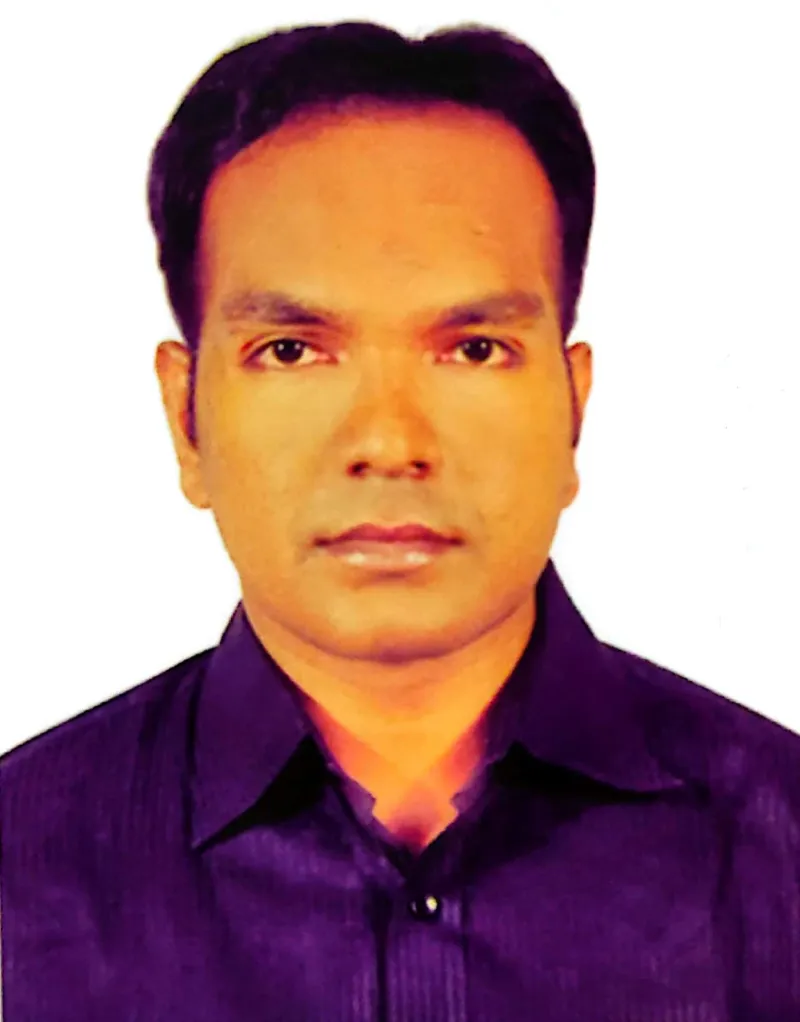
Asst. Prof. Dr. Md. Abdul Quiyum
Preparing for HPB Surgery
Preparation is mostly about arriving complete. Finish the imaging your surgeon orders — ultrasound first, then CT or MRI — and bring original films or discs plus all blood reports; surgical planning depends on image quality that photocopies cannot reproduce. List every medicine you take, especially for diabetes, blood pressure, and blood thinning, and disclose any history of hepatitis, heart disease, diabetes, or prior abdominal surgery. If you are referred to Dhaka, plan the trip and an attendant beforehand, since assessment and surgery often fall on different days — from Narayanganj the journey is short enough for day trips in many cases. Confirm fasting instructions the night before, ask which morning tablets to skip, and stop smoking if you can.
Questions Worth Asking Your Surgeon
Use the consultation to settle the essentials: Is my diagnosis certain, or do I need another scan first? Can this be managed without surgery — for instance, by endoscopic stone removal? Will the operation be laparoscopic or open, and what decides that? In which hospital will you operate, and who looks after me afterward? If a tumor is suspected, ask whether a multidisciplinary team at a larger center should review the case before any operation. Get a written estimate of the hospital cost — charges differ between facilities — and ask what the follow-up schedule includes.
Common Biliary and Pancreatic Procedures
Laparoscopic cholecystectomy — removing a diseased gallbladder through small incisions — is the standard operation for uncomplicated gallstone disease. Contact the selected hospital to confirm whether this service is available. ERCP is an endoscopic procedure that removes stones from the common bile duct or places a stent across a blockage; it is performed in advanced endoscopy units at larger centers. Bile duct reconstruction repairs strictures and injuries of the ducts. Liver resection removes part of the liver for tumors or large cysts. Pancreatic operations range from draining pseudocysts and infected collections to the Whipple procedure for cancers of the pancreatic head and distal bile duct. The bigger operations stay where intensive care, blood banking, and interventional support are strongest.
After Surgery: Recovery and Follow-Up
After laparoscopic gallbladder surgery, most patients leave hospital within a day or two and return to normal activity in one to two weeks. Open or complex operations require longer stays, weeks of graded recovery, and careful wound care. Shoulder-tip pain after keyhole surgery is common — trapped gas, not a complication — and digestion may feel unsettled while the body adjusts to life without a gallbladder. Report fever, increasing abdominal pain, jaundice, repeated vomiting, or a wound that reddens or leaks promptly. Keep every follow-up appointment even when you feel well: the pathology report on removed tissue decides whether further treatment is needed, and oncology review is arranged without delay if cancer is found.
Frequently Asked Questions
Can gallbladder surgery be done in Narayanganj?
Ask your surgeon where routine gallbladder operations can be done, and contact the selected hospital to confirm availability. Your surgeon will assess whether your case is routine or needs referral to Dhaka.
How do I get to Dhaka for HPB surgery?
Dhaka's tertiary hospitals are a short road or river journey from Narayanganj, so referrals can be planned as day visits in many cases. Complete your scans locally first to make the Dhaka visit count.
Should I go straight to Dhaka instead?
Not necessarily. A full local workup — ultrasound, liver function tests, and a surgeon's opinion — makes any Dhaka visit far more productive. Go straight to Dhaka only if your doctor advises it for an urgent problem.
What is ERCP, and where is it done?
ERCP is an endoscopic procedure to remove bile duct stones or place stents. It needs an advanced endoscopy unit, which Dhaka's hospitals provide — easily reachable from Narayanganj.
What records should I carry to the referral hospital?
Original ultrasound and CT/MRI images, all blood reports, your complete medicine list, and any biopsy or pathology results. Good records prevent costly repeat testing.
How urgent is jaundice with fever?
It needs prompt attention. Jaundice with fever and upper abdominal pain can signal an infected bile duct, which is an emergency. Do not wait — an ultrasound and blood tests will show whether urgent treatment is needed.
Sponsor Space Available
Place your banner here to reach thousands of patients daily.
Grow Your Practice
Premium placement for hospitals & doctors.