Best Anesthesiologist in Mymensingh - Book Appointment
What Does an Anesthesiologist Do?
An anesthesiologist is a specialist doctor dedicated to making surgery safe and painless. Before your operation, they take a detailed medical history, review your reports, and select the anesthesia technique — general, spinal, epidural, or local with sedation — that best fits your health and the planned procedure. While the surgeon operates, the anesthesiologist manages your anesthesia depth, supports your breathing and circulation, and treats any complication the moment it arises. After surgery, they direct your pain relief and monitor your recovery until the anesthetic effects have fully resolved. In Bangladesh, anesthesiologists also provide epidural labor analgesia, manage chronic pain clinics, and lead intensive care units, giving them one of the broadest roles in hospital medicine.
When Should You Consult an Anesthesiologist in Mymensingh?
Mymensingh Medical College Hospital is one of the country's largest, and the city functions as the northeast's surgical capital — patients arrive from Netrokona, Kishoreganj, Sherpur, Jamalpur, and Tangail for everything from routine cesareans to complex cancer and neurosurgical operations. You will meet an anesthesiologist for any scheduled surgery, but a dedicated pre-anesthesia visit days earlier is strongly advised if you have diabetes, hypertension, heart or kidney disease, or a difficult airway history. Emergency anesthesia load is heavy here too: trauma from the Dhaka–Mymensingh highway, agricultural and industrial injuries, and high-risk obstetric referrals fill the emergency theatres daily. Because the sickest regional patients concentrate in Mymensingh, its anesthesia teams are among the most experienced in the country at managing critical cases. Arrange your assessment through doctors in Mymensingh, and compare general surgeons in Mymensingh when choosing your surgical team.
How Anesthesia Care Works in Bangladesh
The anesthesia workflow is standardized nationwide: thorough pre-anesthesia evaluation, continuous monitored anesthesia delivery, and structured recovery. During evaluation, your risk category is established and the plan is explained in plain terms. In theatre, the anesthesiologist never leaves the bedside — oxygen saturation, blood pressure, heart rhythm, and anesthetic depth are tracked without pause. Recovery happens in a dedicated unit where discharge depends on clear criteria: alertness, stable vitals, controlled pain, and return of normal reflexes. Mymensingh's scale means subspecialty anesthesia — for cardiac, neuro, pediatric, and obstetric surgery — is available here, a rarity outside Dhaka and Chattogram. For pain that outlasts normal healing, pain specialists in Mymensingh provide follow-on care.
2 available specialists found
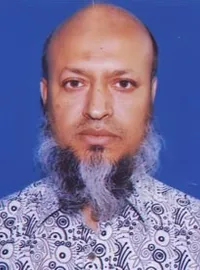
Prof. Dr. Mohammad Manirul Islam

Dr. Md. Abul Kalam Azad Khan
Preparing for Your Anesthesia
Because Mymensingh handles complex referrals, arrive for your assessment with complete documentation: all prescriptions, laboratory reports, ECGs, echocardiograms, and imaging. Disclose every chronic condition and every medicine, because anesthesia interacts with cardiac drugs, blood thinners, and diabetes treatments in ways that must be planned for. Standard fasting — 6 to 8 hours without food, about 2 hours without water — is mandatory for all anesthesia types. Tell the team about previous operations and how you reacted to anesthesia, about sleep apnea or loud snoring, and about dental prostheses that affect airway equipment. If you travel from another district, bring an attendant who knows your history and keep your reports in original plus one photocopy set.
Questions Worth Asking Your Anesthesiologist
Ask which subspecialty experience the anesthesia team has for your specific operation — cardiac, neuro, pediatric, or obstetric anesthesia each demand distinct expertise. Ask about ICU availability after surgery and what triggers an ICU stay versus a ward stay. Ask how blood loss will be handled: whether transfusion is likely and whether you should arrange donors in advance. For children's surgery, ask about fasting hours by age, parental presence at induction, and pain control designed for children. Ask what the realistic recovery timeline looks like — when you can sit, walk, eat normally, and travel back to your home district. Written answers beat memory every time.
Types of Anesthesia Used in Surgery
General anesthesia produces controlled unconsciousness and is essential for intracranial, thoracic, and major abdominal surgery. Spinal anesthesia blocks the lower body through one injection and remains the standard for cesarean sections and lower-limb orthopedics. Epidural anesthesia, via catheter, gives titratable, long-duration relief prized in labor and in the days following major operations. Combined spinal-epidural techniques merge fast onset with extended control for selected cases. Peripheral nerve blocks precisely anesthetize limbs or body regions, increasingly paired with sedation to avoid general anesthesia where suitable. Local anesthesia suffices for minor procedures. Your anesthesiologist matches the method to surgical demands and your physiology.
After Surgery: Follow-Up Care
Postoperative monitoring continues until you meet strict discharge criteria from the recovery unit. Expect temporary sore throat, nausea, or drowsiness — all routinely managed with medication. Follow wound-care and diet instructions exactly; after major surgery, progress through liquids to solids only as directed. Watch for fever, wound discharge, calf pain or swelling, and chest discomfort, and seek care promptly for any of them. Keep the anesthesia record with your discharge papers — future anesthesiologists need to know what worked and what caused trouble. Attend every scheduled review even when you feel recovered, since late complications are real. Persistent pain beyond the expected window can be investigated by a pain specialist in Mymensingh.
Frequently Asked Questions
Is Mymensingh suitable for high-risk anesthesia cases?
Yes — as a major regional center with subspecialty anesthesia teams and large ICU capacity, Mymensingh routinely manages the northeast's most complex surgical patients. The pre-anesthesia evaluation confirms your individual plan.
What should referred patients from other districts bring?
Bring originals and one photocopy set of every report, a list of all medicines with doses, and the referral letter. An attendant who knows your medical history should accompany you.
How is pain managed after major surgery?
Through a combination of epidural or nerve-block catheters, scheduled medicines, and on-demand doses — a multimodal plan designed by the anesthesia team and adjusted to your pain scores.
Can I request the same anesthesiologist for a second surgery?
You can request it, and hospitals try to accommodate continuity, though emergency duties and rosters ultimately decide. Your anesthesia record ensures any team can continue safely.
Does anesthesia affect breastfeeding?
Most anesthetic agents clear rapidly and breastfeeding can resume once you are awake and alert. The team will confirm timing for your specific drugs and procedure.
How do I find an anesthesiologist's credentials in Mymensingh?
DoctorBD24 profiles list qualifications, hospital attachments, and chamber schedules so you can verify expertise before your pre-anesthesia visit.
Sponsor Space Available
Place your banner here to reach thousands of patients daily.
Grow Your Practice
Premium placement for hospitals & doctors.